
✔ 90‑Minute Arrival Guarantee — or $200 Off Your Repair 🚫 No After‑Hours Fees — Same Price 24/7, 365 Days a Year 🏆 100% Satisfaction Guarantee — We Make It Right or It’s Free 🔍 No-Guesswork Diagnostics — Facts Not Assumptions 💰 Upfront Pricing — No Hidden Fees Ever —
Smart Home Air and Heat

HVAC Tips & AC Repair Blog — Orlando Homeowners Read This

Expert HVAC tips, AC repair guides, and honest advice for Orlando homeowners — from a team with 30+ years keeping Central Florida comfortable year-round.

48 Articles AC Repair • Installation • Maintenance • Air Quality

Expert HVAC Guides for Orlando Homeowners

Need Help? We’re Available 24/7.

Call us now or schedule online — no after-hours fees, ever.

Home News New Florida Building Code Takes Effect Dec 31...
HVAC News & Regulations

New Florida Building Code Takes Effect Dec 31 — Here’s What Changes for HVAC

Chris Elsis Jr. June 20, 2026
Back to News

Key Facts: The 9th Edition of the Florida Building Code takes effect December 31, 2026. It includes higher SEER2 efficiency minimums for AC systems, mandatory blower door and duct leakage testing for new residential construction, and a tighter Energy Performance Index. If you are planning a new AC installation, this affects you.

The Florida Building Commission has finalized the 9th Edition of the Florida Building Code, and it goes into effect on December 31, 2026. For homeowners in Orlando and across Central Florida, this update brings real changes to how HVAC systems are installed, tested, and permitted.

I have been pulling permits in Orange County for over 30 years. I have seen every version of this code come and go. This update is a good one. Here is what it means for you.

The Big HVAC Changes in the 9th Edition

Higher Efficiency Minimums (SEER2)

The new code raises the minimum efficiency requirement for split-system air conditioners to 14.3 SEER2 for systems installed in Florida. This is not a dramatic jump from the current standard, but it does mean that the cheapest, least-efficient systems on the market today will no longer be code-compliant after December 31.

For most homeowners getting a new AC installation, this will not change much. The systems we install at Smart Home already meet or exceed the new minimums. But if you are shopping on price alone and someone offers you a suspiciously cheap system, check the SEER2 rating. If it is below 14.3, it will not pass inspection after the new code takes effect.

Mandatory Blower Door Testing

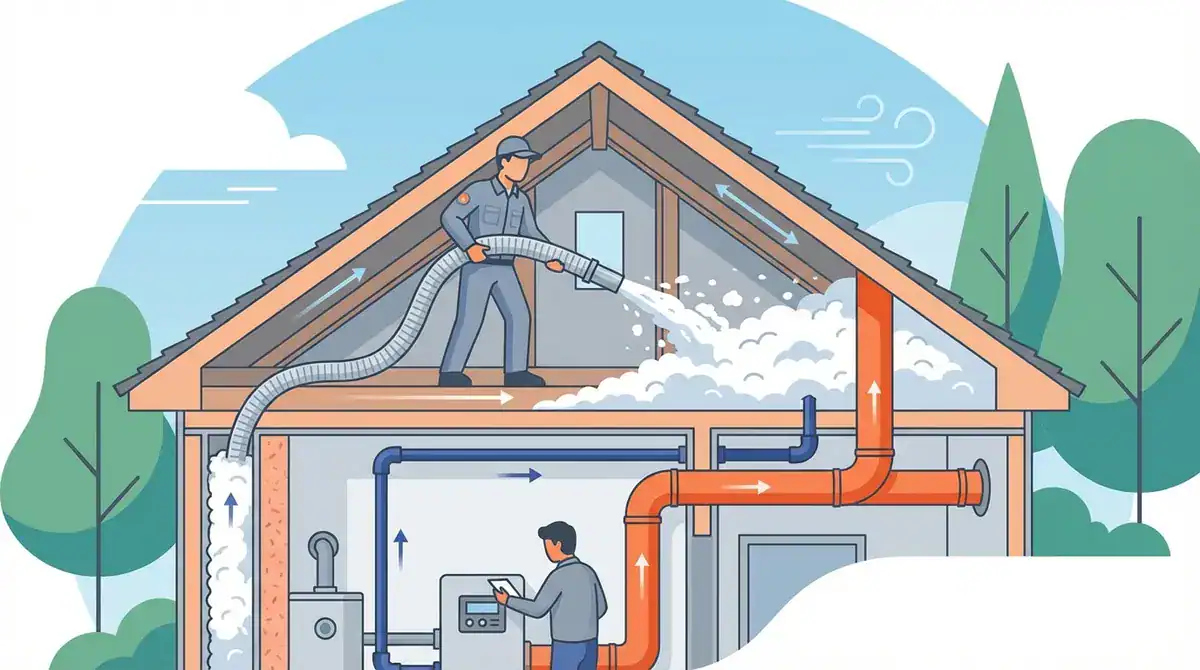
This is the big one. Starting December 31, all new residential construction in Florida will require a blower door test. This test measures how airtight the building envelope is — essentially, how much conditioned air is leaking out through cracks, gaps, and poor sealing.

According to PermitPlace's analysis of the code changes, the new air tightness requirements are designed to ensure that new homes actually perform as efficiently as their design specifications claim.

Why does this matter for HVAC? Because a leaky building envelope makes your AC work harder. If 20% of your cooled air is escaping through gaps in the walls, attic, and windows, your 3-ton system is effectively working like a 2.4-ton system. You pay more, and your home stays warmer.

Mandatory Duct Leakage Testing

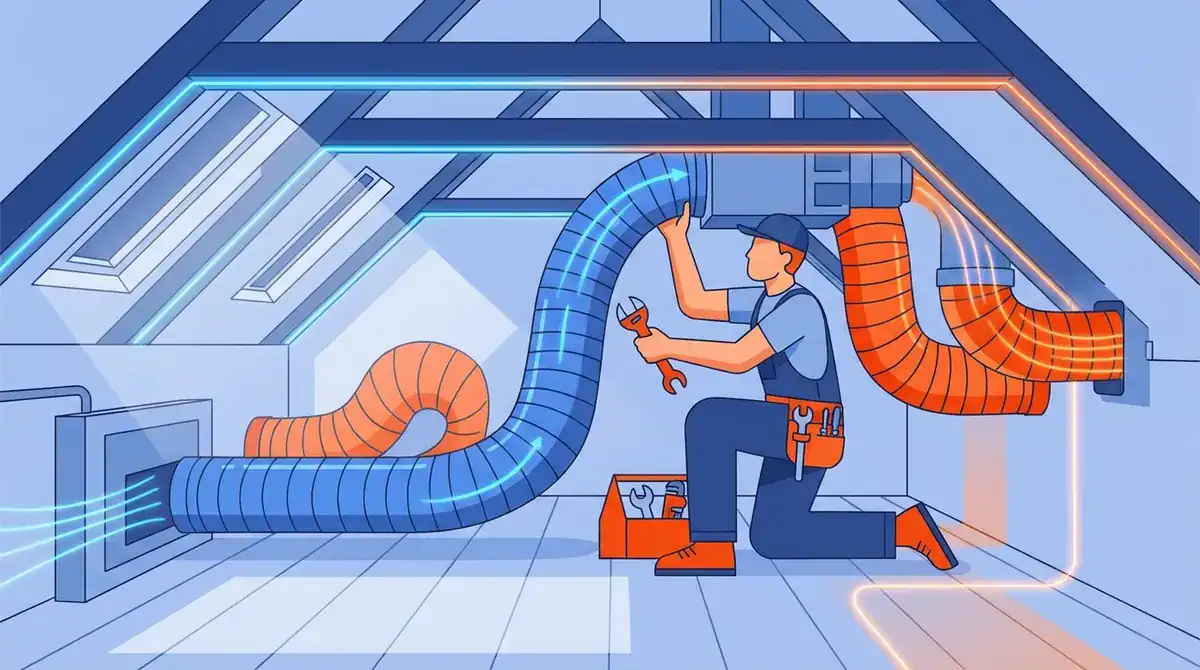
This is the change I am most excited about. The 9th Edition requires duct leakage testing for all new residential HVAC installations. A technician pressurizes your duct system and measures how much air is escaping through leaks, gaps, and disconnected joints.

I cannot tell you how many homes I have walked into where the ductwork is leaking 25–30% of the conditioned air into the attic. The homeowner is paying to cool their attic while their living room stays at 80 degrees. This testing requirement will catch those problems at installation, not years later when the damage is done.

As JRH Engineering notes in their analysis, the combination of blower door and duct testing creates a much more complete picture of a home's actual energy performance.

Tighter Energy Performance Index

The Energy Performance Index (EPI) is being tightened from 100 to 95. This is a scoring system that measures overall energy efficiency of new residential construction. A lower number means the home must perform better. This affects HVAC sizing, insulation requirements, window specifications, and overall building design.

What This Means for Orlando Homeowners

If You Are Getting a New AC Before December 31

The current code still applies. You can install any system that meets current SEER2 minimums. However, I would strongly recommend installing a system that meets the new 14.3 SEER2 minimum anyway. You are going to live with this system for 15–20 years. A slightly more efficient system pays for itself in lower electric bills long before it wears out.

If You Are Getting a New AC After December 31

Your installation will need to meet the new standards. The system must be at least 14.3 SEER2. If you are in new construction, your ductwork will be tested for leakage, and the building will get a blower door test. Your contractor should be aware of these requirements — if they are not, that is a red flag.

If You Already Own a Home

The new code primarily affects new construction and new installations. Your existing system does not need to be retroactively brought up to the new standards. However, if you replace your system after December 31, the new system must meet the updated efficiency requirements.

If you had an AC installed without a permit — and unfortunately, this happens more than it should — you may want to read our guide to AC permits in Orlando to understand why permits matter and how to make sure your installation is code-compliant.

Will This Increase Installation Costs?

Slightly. The higher-efficiency equipment costs a bit more, and the mandatory testing adds inspection time and cost to new construction projects. For a typical residential AC replacement in an existing home, I estimate the cost impact will be $200–$500 at most. For new construction, the impact may be higher because of the blower door testing requirement.

But here is the thing: tighter ducts and a tighter building envelope mean lower energy bills for the life of the home. The small upfront cost increase pays for itself within the first few years. This is one of those cases where the regulation is genuinely good for homeowners.

My Take After 30 Years

I have seen a lot of code updates come through. Some are bureaucratic nonsense. This one is not. The duct testing requirement alone will prevent thousands of bad installations across Florida every year.

Too many homes in Orlando have ductwork that was installed fast and cheap, with joints that were never sealed and connections that have pulled apart over time. The homeowner has no idea their system is dumping 25% of their cooled air into the attic. They just know their bills are high and their house is hot.

The new testing requirement catches that at the point of installation. It holds contractors accountable. And it protects homeowners from paying for air they never feel.

If you are a homeowner, this is good news. If you are a contractor who has been cutting corners on ductwork, your days are numbered.

Questions about the new building code and your AC? Call (407) 465-7777. We will walk you through exactly what the changes mean for your home.

Sources

  1. Revolution Florida — 2026 Florida Building Code Changes
  2. PermitPlace — Florida 2026 Building Code Changes Guide
  3. JRH Engineering — Florida Building Code 9th Edition 2026: What to Know
Chris Elsis Jr. — Owner, Smart Home Air and Heat
Written by
Chris Elsis Jr.
Owner of Smart Home Air and Heat with 30+ years of HVAC experience in Central Florida. Licensed contractor. Chris started Smart Home to give Orlando homeowners fast, honest service — day or night.
Need HVAC Help in Orlando?
90-minute arrival guaranteed. No after-hours fees. Available 24/7.