
Key Takeaways
- Pick a state-licensed HVAC contractor with NATE certification and real experience in Orlando's climate.
- Get a precise Manual J load calculation. It finds the exact system size your home needs.
- Have your ductwork inspected and replaced if needed. Leaky ducts can waste up to 40% of your energy.
- Schedule your install in an off-peak season like fall or spring. You get better prices and more contractor attention.
- Look at long-term energy savings and total cost of ownership, not just the upfront price.
- Add indoor air quality upgrades during installation, like high-efficiency filters and UV purification.
- Upgrade to a smart thermostat. It cuts energy use and adds smart climate control features.
Picture this: you just spent thousands of dollars on a brand-new HVAC system for your Orlando home. Now you face sky-high energy bills, uneven cooling, or worse—total system failure in the first year. Sadly, this nightmare happens more often than you'd think. It almost always comes from avoidable mistakes made during installation.
Maybe you're replacing an aging air conditioner. Maybe you need a complete heating and cooling system. Either way, the choices you make today will shape your comfort and your wallet for the next 15-20 years.
Orlando's brutal summer heat and surprise winter chills make a working HVAC system a must. Temperatures often soar into the 90s. High humidity makes it feel even hotter. So your home's climate control is about more than comfort. It protects your health, your safety, and your property. But here's the thing: even the priciest high-efficiency system will fall short if it's installed wrong.
Knowing the common pitfalls of HVAC installation can save you years of frustration and wasted money. In this guide, we'll walk you through the seven biggest mistakes Orlando homeowners make when installing HVAC systems. Better yet, we'll show you how to avoid each one. Let's dive in and make sure your investment delivers the comfort and savings you deserve!
Mistake #1: Choosing the Wrong System Size for Your Home
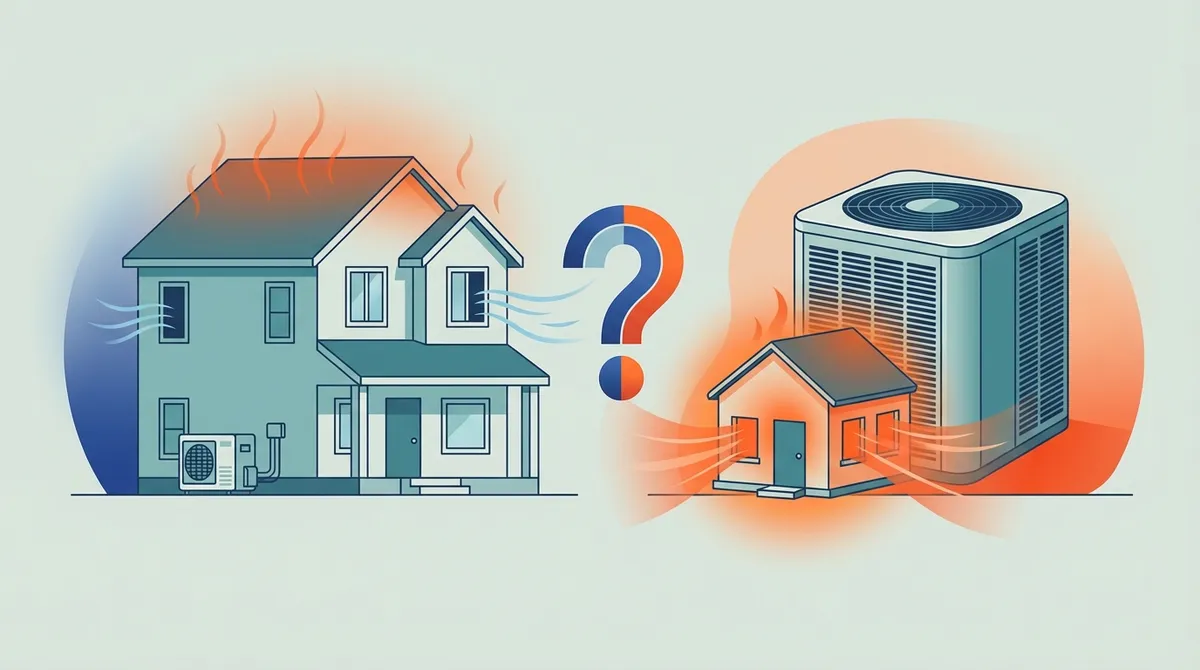
One of the worst errors homeowners make is installing an HVAC system that's too large or too small for their space. Many people assume bigger is always better. They think an oversized unit will cool the home faster. In reality, an oversized system turns on and off too often. It never runs long enough to pull the humidity out of your Orlando home.
That leaves your home feeling clammy even when the temperature looks right. All that starting and stopping also wears out parts fast. It can cut your system's lifespan from the expected 15-20 years down to just 10 years or less.
An undersized system has the opposite problem. It runs nonstop, fights Orlando's intense heat, and never quite hits your set temperature. That overworks the equipment and drives up your energy bills. You still end up hot all summer. The fix? A proper Manual J load calculation. It looks at your home's square footage, insulation, window placement, ceiling height, and even how many people live there.
Professional contractors like those at AC Installation services know this well. A 2,000-square-foot Orlando home might need anything from a 3-ton to a 5-ton system, depending on these factors. Never accept a quote based on square footage alone. Demand a full load calculation before you commit to any system size.
Mistake #2: Hiring an Unlicensed or Inexperienced Contractor
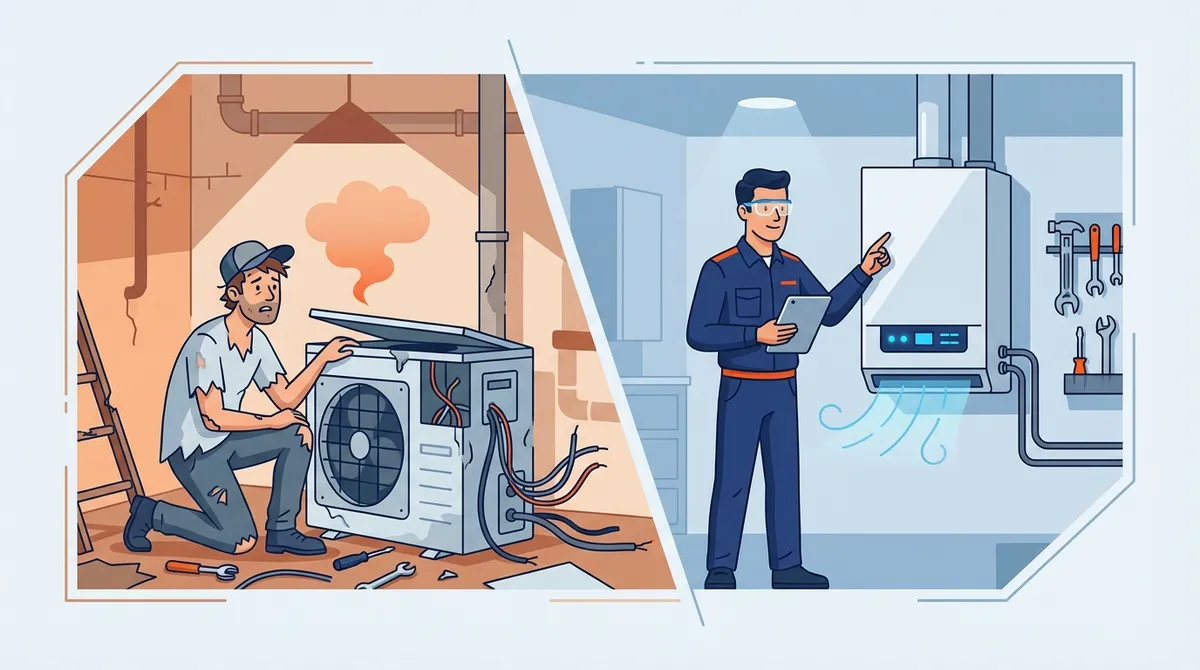
When your AC breaks in the middle of August, it's tempting to grab the first contractor who can start right away. A price that seems too good to be true is tempting too. But hiring an unlicensed or inexperienced HVAC contractor is a gamble with your home's comfort. In Florida, the state must license HVAC contractors—and for good reason.
Licensed pros have proven their skills through education, exams, and ongoing training. That means they know current building codes, safety rules, and proper installation methods.
An inexperienced installer might size your ductwork wrong or charge your refrigerant badly. They may skip key steps like pressure testing and airflow checks. These shortcuts can cost you hundreds or even thousands of dollars in wasted energy over the system's life. Industry data shows a bad refrigerant charge alone can cut efficiency by up to 20%. That hits your monthly electric bill directly.
When you pick a contractor for your Orlando home, look for NATE-certified technicians (North American Technician Excellence). Verify their Florida state license. Check their insurance and read recent customer reviews. Companies serving communities throughout Orlando and Central Florida with solid reputations have more at stake. They usually deliver better work.
Get at least three written estimates. Ask detailed questions about the installation process—real pros will gladly explain how they work.
Mistake #3: Ignoring the Importance of Proper Ductwork
Your ductwork is the circulatory system of your HVAC setup. Even the most efficient air conditioner can't overcome poorly designed or damaged ducts. Many Orlando homeowners focus only on the outdoor condenser and indoor air handler. They overlook the duct system that carries the cooled air through their home.
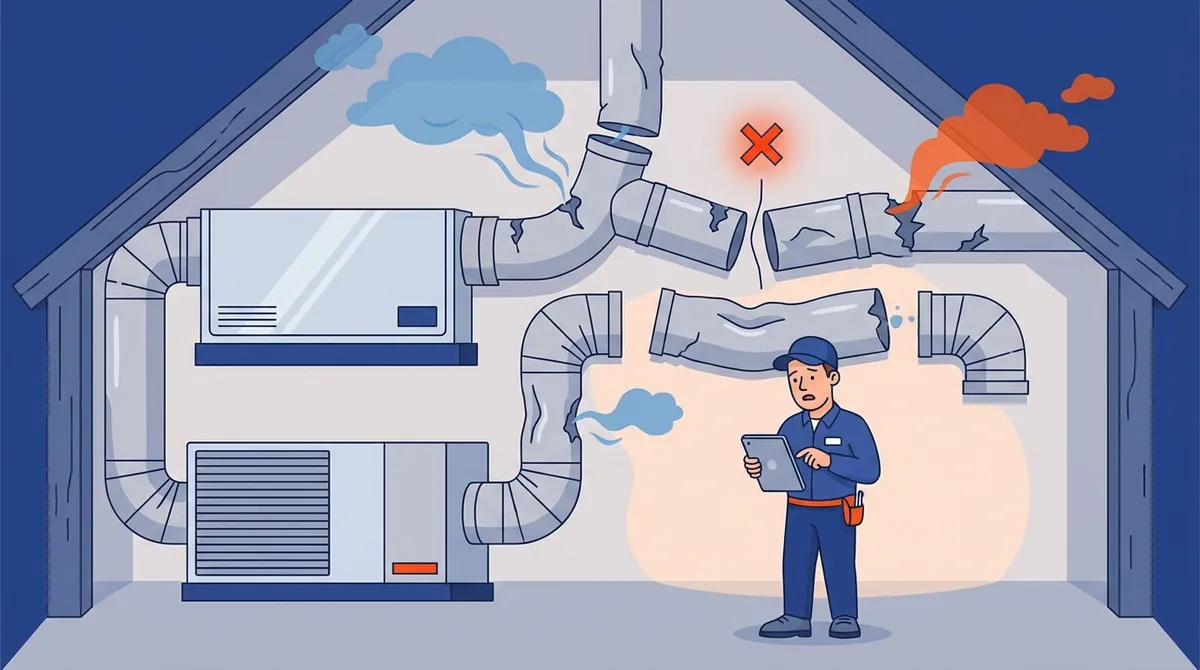
That's a costly oversight. Studies show typical duct systems lose 20-40% of the heating or cooling energy they carry. Leaks, poor connections, and thin insulation are to blame.
Installing a new HVAC system in an older Orlando home? Insist that your contractor inspect your existing ductwork for problems. Watch for disconnected sections, crushed or kinked flexible ducts, thin attic insulation, and leaks at joints and seams. In some cases, you may need partial or complete duct replacement. That can add $1,500 to $5,000 to your project cost.
Still, this investment pays for itself through better comfort and lower energy bills. Sealed, insulated ducts make sure the cool air your new system makes actually reaches your rooms. It won't leak into your attic or crawl space. No ductwork in your home? A ductless mini-split system may be a better option.
These systems cost between $3,200 and $10,500 on average. They cut out duct losses entirely. They also offer zone control that can save you up to 30% on cooling costs.
| System Type | Average Cost Range | Best For | Installation Time |
|---|---|---|---|
| Central AC (replacement) | $3,300 – $5,900 | Homes with existing ductwork | 4-8 hours |
| Ductless Mini-Split | $3,200 – $10,500 | Homes without ducts, additions | 1-2 days |
| Heat Pump System | $4,000 – $8,000 | Year-round climate control | 6-10 hours |
| Full HVAC with Ductwork | $7,000 – $16,000 | New construction, major renovations | 2-5 days |
Mistake #4: Scheduling Installation During Peak Season
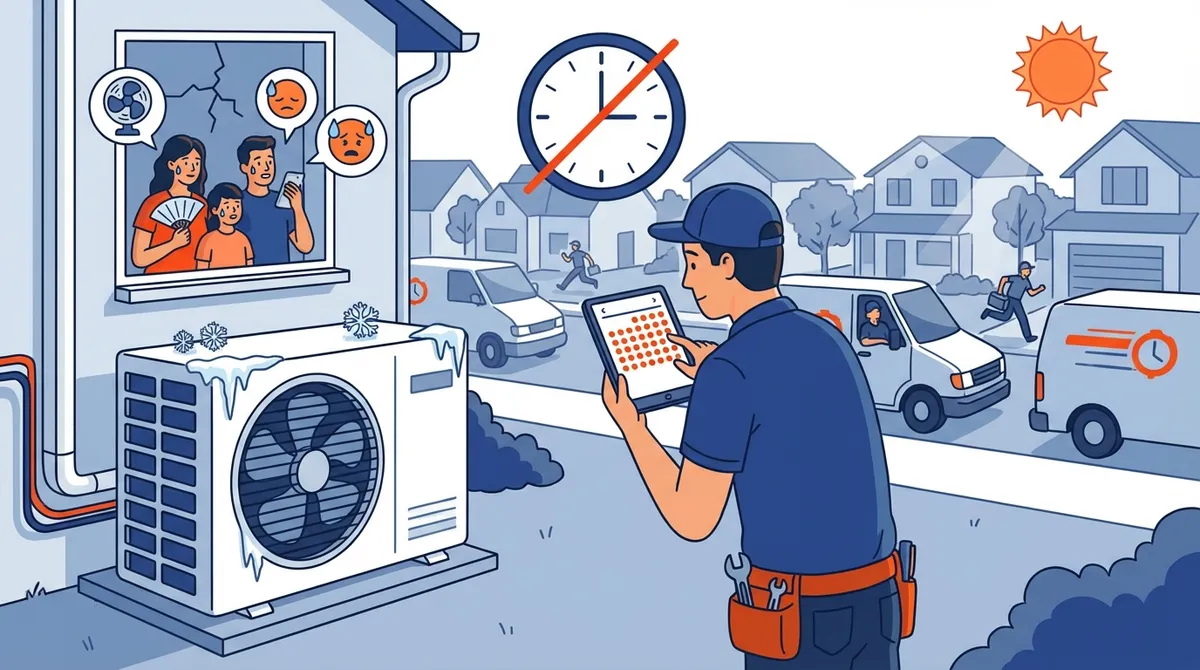
Timing may not seem like a big deal when your air conditioner has died. But if you have any flexibility, avoid scheduling your HVAC installation during Orlando's peak summer months. From June through September, HVAC contractors are slammed with emergency repair calls and installation requests.
That means longer waits, rushed installations, and fewer chances to negotiate on price. Contractors rarely offer discounts when they're booked solid for weeks.
The sweet spot for HVAC installation in Orlando is fall (October through November) or spring (March through April). In these shoulder seasons, contractors have more open time. They can give your installation full attention without rushing to the next job. They're also more willing to negotiate on price or throw in extras like extended warranties or free maintenance visits.
You'll also have time to research and compare contractors. That beats a panic decision while you swelter in a 90-degree house. If your system is aging but still runs, start shopping in the off-season. Watch for warning signs: rising energy bills, frequent repairs, weak airflow, strange noises, or a system more than 10-15 years old.
Being proactive helps you make smart choices. It can also save you thousands of dollars.
Mistake #5: Focusing Only on Upfront Cost Instead of Long-Term Value
We get it—HVAC installation is a big investment. Complete systems range from $3,300 for a basic central AC replacement to $16,000 for a full HVAC system with new ductwork. Faced with those numbers, it's natural to grab the lowest bid. But this penny-wise, pound-foolish approach often backfires badly.
The cheapest option usually means the lowest-efficiency equipment and minimal warranty coverage. It also means corners cut during installation that will cost you dearly over time.
Instead of fixating on the sticker price, look at the total cost of ownership over the system's expected 15-20 year lifespan. A high-efficiency system might cost $1,500-$3,000 more upfront. But it can save you up to 40% on your monthly electric bills. The average Orlando homeowner spends $200-$300 monthly on cooling in summer. That means $80-$120 in monthly savings, or nearly $1,000-$1,500 annually.
Over 15 years, those savings add up to $15,000-$22,500. That far exceeds the extra amount you paid upfront. High-efficiency systems also often qualify for utility rebates from Duke Energy or OUC. Those rebates cut your net cost even more.
A well-installed, efficient system also raises your home's value. Studies show a 35-50% return on investment when you sell. Companies like Smart Home Air and Heat can help you see the long-term financial picture. They can help you pick equipment that balances upfront cost with monthly savings.
Questions to Ask About Long-Term Value
- What is the SEER (Seasonal Energy Efficiency Ratio) rating of this equipment?
- How much will I save each year on energy bills compared to my current system?
- What warranty coverage is included, and what does it actually cover?
- Are there utility rebates or tax credits for high-efficiency equipment?
- How long should this system last with proper maintenance?
- Does the price include a maintenance plan or any follow-up services?
Mistake #6: Neglecting Indoor Air Quality Components
Most Orlando homeowners think only about temperature control when they plan an HVAC installation. But your new system is the perfect chance to address indoor air quality. Clean air has a big impact on your family's health and comfort.
Orlando's humidity creates prime conditions for mold growth, dust mites, and allergens. Our sealed homes also trap pollutants, pet dander, and volatile organic compounds. Skip these issues during installation, and you miss a key part of true home comfort.
Modern HVAC systems can include advanced filtration, UV light purification, whole-home dehumidifiers, and ventilation systems. These upgrades can transform your indoor environment. High-efficiency air filters capture particles as small as 0.3 microns. They pull allergens, bacteria, and viruses out of the air you breathe. UV lights in your air handler kill mold spores and bacteria before they spread through your home.
Whole-home dehumidifiers work with your AC to keep humidity between 30-50%. That prevents mold growth. It also lets your home feel comfortable at higher thermostat settings. These add-ons raise your upfront investment by $500-$2,500. But they're priceless for families with allergies, asthma, or breathing issues.
Talk about air quality options with your contractor during the planning phase. It's far easier and cheaper to add these parts during the first install than to retrofit them later.
Mistake #7: Skipping the Smart Thermostat Upgrade
Here's a mistake that seems small but can cost you hundreds of dollars a year: pairing a state-of-the-art HVAC system with your old, basic thermostat. Your thermostat is the brain of your climate control system. Modern smart thermostat technology offers features old thermostats never could.
Think learning software that adapts to your schedule. Geofencing that adjusts the temperature based on whether you're home. Detailed energy reports that spot waste. Plus remote control from your smartphone.
Smart thermostats like the Nest, Ecobee, or Honeywell Home systems cost between $120 and $300. Studies show they typically cut heating and cooling costs by 10-23% a year. Orlando homeowners who spend $2,400-$3,600 a year on HVAC energy can save $240-$828 yearly. The thermostat pays for itself within 4-12 months and keeps saving for years. Beyond the money, smart thermostats add convenience and peace of mind.
Forgot to adjust the temperature before a vacation? No problem—change it from anywhere with your phone. Want your home perfectly cool when you arrive? Set your system to start cooling 30 minutes before you get home. Many smart thermostats also send maintenance reminders. They tell you when to change filters or schedule service with professionals.
You're investing thousands in a new HVAC system. Skipping a $200-$300 thermostat upgrade is like buying a luxury car and refusing to pay for power windows. It just doesn't make sense.
Top Features to Look for in Smart Thermostats
- Learning capability: Builds schedules on its own based on your habits and preferences
- Geofencing: Uses your phone's location to know when you're home or away
- Energy reports: Shows clear breakdowns of your energy use and ways to save
- Remote access: Control your system from anywhere with a smartphone app
- Voice control: Works with Alexa, Google Assistant, or Siri for hands-free use
- Maintenance alerts: Reminds you when filters need changing or service is due
Additional Critical Considerations for Orlando HVAC Installation
Beyond the seven major mistakes above, Orlando homeowners should keep a few more factors in mind when planning an HVAC installation. First, don't underestimate proper refrigerant handling. R-22 refrigerant is being phased out in favor of R-410A and newer refrigerants. Your contractor must be EPA-certified to handle these substances. A bad charge can cut efficiency by 20%, damage your compressor, and cause early failure.
Second, make sure your electrical system can handle your new HVAC equipment. Modern high-efficiency systems often need dedicated 220-240 volt circuits with the right amperage. Your contractor should inspect your electrical panel and upgrade it if needed. Don't cut corners here. Undersized electrical service can cause frequent breaker trips, system shutdowns, and even fire hazards. Third, discuss condensate drain placement and backup systems.
Orlando's high humidity means your AC produces gallons of condensate every day. A clogged or badly installed drain line can lead to water damage, mold growth, and system shutdowns. A secondary drain pan with a float switch gives you crucial protection against overflow.
| Installation Component | Why It Matters | Cost if Neglected |
|---|---|---|
| Proper Refrigerant Charge | Ensures maximum efficiency and equipment longevity | 20% higher energy bills, premature compressor failure ($1,500-$3,000) |
| Adequate Electrical Service | Prevents breaker trips and equipment damage | Frequent service calls ($150-$300 each), potential fire hazard |
| Proper Condensate Drainage | Prevents water damage and mold growth | Water damage repairs ($500-$5,000), mold remediation ($2,000-$6,000) |
| Equipment Pad Installation | Provides stable, level base for outdoor unit | Compressor damage from vibration ($1,200-$2,500) |
Understanding Warranties and Maintenance Requirements
Many Orlando homeowners overlook warranty coverage and maintenance requirements until it's too late. Most equipment makers offer two types of warranties: a parts warranty (typically 5-10 years) and a compressor warranty (often 10 years). But these warranties come with conditions that can void your coverage. According to Florida laws regarding warranty registration, you must register your new equipment within a set timeframe to keep full warranty coverage.
Most manufacturers also require proof of annual professional maintenance to honor warranty claims. So you can't just install your system and forget it. You need regular AC Maintenance to protect your warranty and keep performance strong. Professional maintenance visits typically cost $75-$150 a year. They can prevent 95% of major system failures.
During these visits, technicians check refrigerant levels and clean the coils. They inspect electrical connections, lubricate moving parts, and catch small problems before they become costly emergencies.
Many contractors offer maintenance plans with priority service, repair discounts, and automatic scheduling. You're investing $3,300-$16,000 in a new system. Spending $100 a year on maintenance is cheap insurance. It protects your investment and helps your equipment reach its full 15-20 year lifespan.
What Happens During an HVAC Installation in Orlando?
Knowing what happens during a professional HVAC installation helps you spot shortcuts and problems. A standard AC replacement with existing ductwork takes 4-8 hours and involves several critical steps. First, technicians carefully remove your old equipment. They recover all refrigerant, as EPA rules require.
Then they inspect the area. They make sure the equipment pad is level and stable, check electrical connections, and confirm your ductwork is in good shape.
Next comes the new outdoor condenser and indoor air handler or furnace. Technicians connect refrigerant lines, install a new thermostat, and hook up the electrical. They also add any extras like air purifiers or dehumidifiers. After that, they pressure test the system for leaks. They vacuum moisture and air out of the refrigerant lines. Then they charge the system to the exact manufacturer specs.
Finally, they test the system through multiple cooling cycles. They measure airflow at every vent, verify proper condensate drainage, and make sure the thermostat talks to the equipment correctly. This thorough process cannot be rushed.
If a contractor promises a full installation in just 2-3 hours, that's a major red flag. Quality installation takes time. Shortcuts here will haunt you for years to come.
Installation Day Preparation Checklist
- Clear a path to your current HVAC equipment, both inside and outside
- Remove valuables and decorations from areas near the indoor air handler
- Secure pets in a safe area away from work zones
- Plan backup cooling in case the installation runs long
- Write down questions about system use and upkeep for the installers
- Have your payment ready—most contractors expect payment when the job is done
- Plan to be home during the install to answer questions and raise concerns
Making the Right Choice for Your Orlando Home
Choosing and installing a new HVAC system for your Orlando home doesn't have to be overwhelming. It does take careful planning, research, and attention to detail. Avoid the seven critical mistakes we covered: wrong sizing, unlicensed contractors, ductwork neglect, poor timing, price-only shopping, ignoring air quality, and skipping smart thermostats. Do that, and your investment will deliver comfort, efficiency, and value for 15-20 years.
Remember, a quality HVAC installation is about more than equipment. It's about partnering with professionals who take pride in their work and stand behind it. Companies like Smart Home Air and Heat know your comfort is too important to leave to chance. They bring expertise, proper licensing, quality equipment, and a thorough installation process.
Check out their Visit us on Google profile to see what happy Orlando homeowners say about their experiences.
Don't wait for your system to fail during the hottest week of summer. Is your AC more than 10 years old? Does it need frequent repairs or struggle to keep you cool? Start researching your options now. Get multiple estimates, ask detailed questions, and verify credentials. Choose a contractor for expertise and reputation, not just price.
You can also connect with experts through Facebook or check helpful tips on YouTube to learn more about proper HVAC care.
Your future self will thank you for doing it right the first time. Ready to move forward with a professional installation? Don't hesitate to request a quote from experienced pros who guarantee quality workmanship and reliable service. Your Orlando home deserves a climate control system that keeps you comfortable year-round without breaking the bank. Avoiding these common mistakes is the first step!
HVAC Installation Mistakes FAQs
Q: How much does HVAC installation typically cost in Orlando?
A: HVAC installation costs in Orlando vary widely by system type and complexity. A basic central AC replacement runs $3,300-$5,900. Ductless mini-splits cost $3,200-$10,500. Complete HVAC systems with new ductwork range from $7,000-$16,000. The investment pays off through better comfort, energy savings up to 40%, and higher home value with 35-50% ROI. Always get multiple quotes. Weigh long-term value, not just upfront cost!
Q: What’s the best time of year to install a new HVAC system in Orlando?
A: The sweet spot for HVAC installation in Orlando is fall (October-November) or spring (March-April). In these shoulder seasons, contractors have better availability. They can give your installation more time without rushing. They also often offer better pricing or extras. Avoid peak summer months (June-September). That's when contractors are slammed with emergency calls and have little room to schedule or negotiate.
Q: How long does a typical HVAC installation take in Central Florida?
A: A standard AC replacement with existing ductwork takes 4-8 hours to do right. More complex jobs like ductless mini-splits need 1-2 days. Full HVAC systems with new ductwork can take 2-5 days across Central Florida. Be wary of contractors who promise to finish in just 2-3 hours. Quality installation needs time for proper testing, refrigerant charging, and system checks. Rushing leads to problems down the road!
Q: Do I really need a new thermostat with my HVAC installation?
A: It's not required. But a smart thermostat is one of the best upgrades you can add during HVAC installation! For $120-$300, smart thermostats cut energy costs by 10-23% a year through learning software, geofencing, and smart scheduling. They pay for themselves in 4-12 months. You also get remote control, energy reports, and maintenance reminders. When you're spending thousands on new equipment, skipping this upgrade leaves money on the table.
Q: How do I know if my Orlando contractor is qualified for HVAC installation?
A: Always verify that your Orlando HVAC contractor holds a valid Florida state license and carries proper insurance. Make sure they employ NATE-certified technicians. Check online reviews and ask for references from recent installations. Request proof of licensing and insurance before you sign anything. Real pros give detailed written estimates, run proper load calculations for sizing, and explain their installation process clearly.
Don't be afraid to ask questions—quality contractors are happy to show you their expertise!
Whether you live in Orlando, East Orlando, Winter Park, Lake Nona, or Oviedo, Smart Home Air and Heat delivers the same fast, honest service. You get our 90-minute arrival guarantee and $0 after-hours fee.