
Key Takeaways
- Live in Central Florida? Pick an HVAC system with a high SEER rating (20-28). You'll use less energy and cut cooling costs in our long warm season.
- Consider a heat pump for year-round savings. It moves heat instead of making it. That makes it a great fit for our mild winters.
- Get the size right. A unit that's too big or too small wastes energy, wears out faster, and can't control temperature or humidity well.
- A ductless mini-split gives you zone control. Each room gets its own temperature setting. Installation is easy, too.
- Look at the total cost of owning the system. That includes energy use, upkeep, warranty coverage, and how long it should last.
- New refrigerants like R-454B and R-32 are much easier on the planet. They still deliver strong performance for 2025 and beyond.
The right HVAC system does more than keep you cool in summer or warm in winter. It's a smart investment in your comfort, your energy bills, and your environmental impact for years to come. New refrigerant rules take effect in 2025. Energy-saving options keep growing. That leaves Central Florida homeowners with more choices than ever — and it can feel overwhelming.
Maybe you're replacing an aging AC. Maybe you're adding climate control to a new home. Either way, knowing how HVAC systems differ helps you pick one that fits your budget, lifestyle, and long-term goals. Let's walk through the options and find the right match for your home.

Understanding Modern HVAC Technology and 2025 Refrigerant Changes
The HVAC industry has changed a lot in recent years. New environmental rules now shape which refrigerants systems can use. Shop for a system in 2025 and you'll see refrigerants like R-454B and R-32 instead of the older R-410A.
These newer refrigerants are a big leap forward. R-454B has a Global Warming Potential (GWP) of just 466. R-32 comes in at 675. Compare that to R-410A's much higher 2,088. This shift meets EPA and AIM Act rules. It also shrinks your home's environmental footprint without giving up performance.
Top brands now offer systems with these next-generation refrigerants. That list includes Carrier, Lennox, Johnson Controls, Trane, Daikin, and Rheem. The good news? Greener does not mean weaker. Many of these systems outperform older models and use less energy doing it. When you compare systems, check the SEER (Seasonal Energy Efficiency Ratio) rating. A higher number means more efficiency and lower bills over time.
Central Air Conditioning Systems: The Traditional Powerhouse
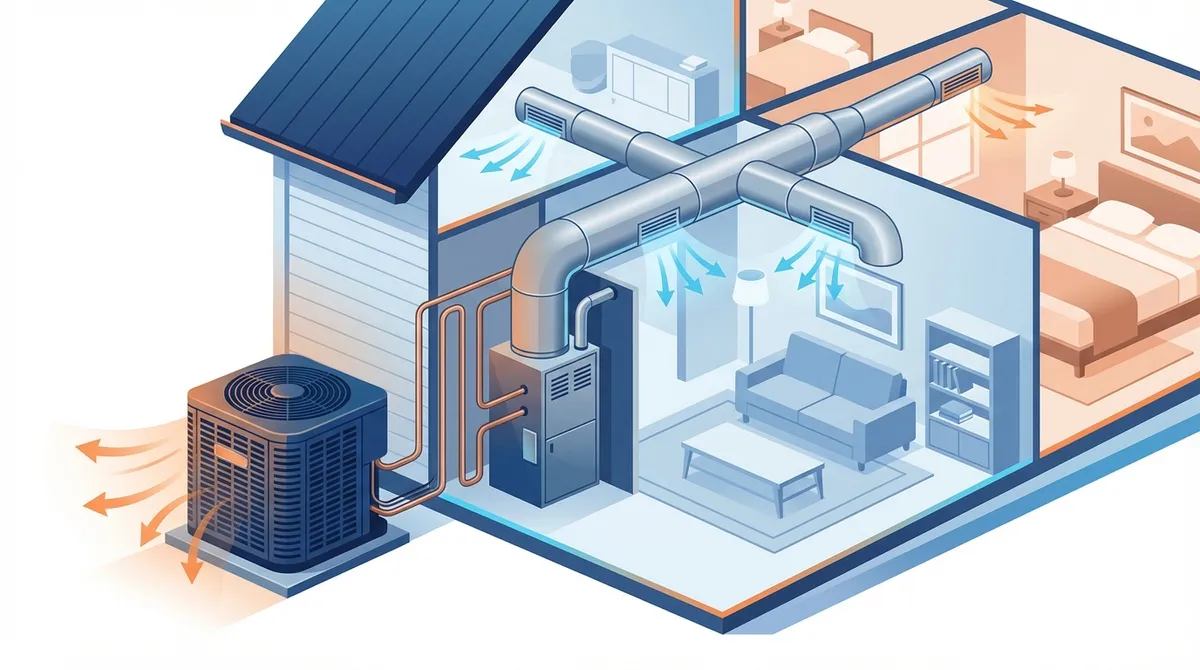
Central air conditioning is still the top choice for whole-home cooling in Central Florida. There's a good reason for that. These systems push cooled air through ducts to every room. Your whole house stays at one steady temperature.
Modern central AC units are far more efficient than they used to be. Top models like the Lennox SL28XCV reach SEER ratings up to 28. That's a huge jump from systems built just ten years ago.
The Trane XV20i is another premium option. It offers a SEER rating up to 21.5 and usually costs $5,500 to $7,800. It's also quiet. It runs as low as 56 decibels — softer than a normal conversation. For homeowners who want reliable AC Installation with proven technology, central air is a great value. That's even more true in homes with existing ductwork.
Pros and Cons of Central Air Systems
- Advantages: Cools the whole home. Indoor parts stay hidden. Works with the ducts you already have. Adds home value. Keeps every room at one steady temperature
- Considerations: Needs ductwork, so a new install costs more if you don't have it. Ducts can leak energy. You may not get room-by-room temperature control
- Best for: Homes with existing ductwork, families who want one even temperature, and properties with plenty of room for the outdoor unit
Heat Pumps: Year-Round Efficiency Champions
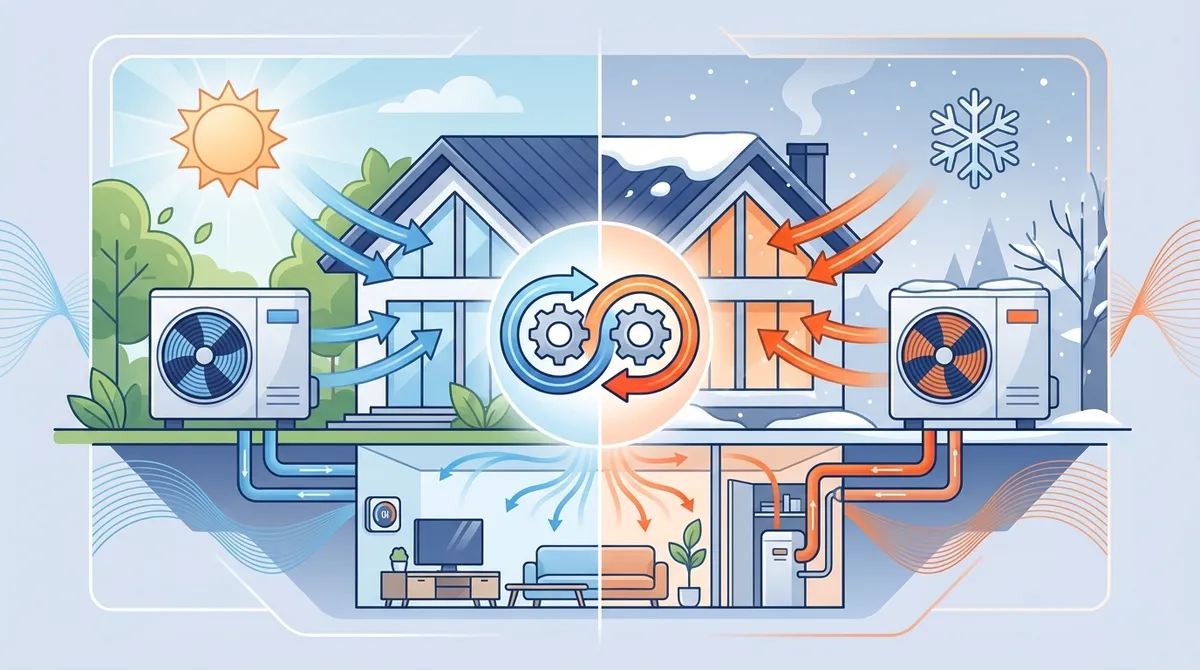
Heat pumps keep gaining fans in Central Florida. One system handles both heating and cooling. A regular air conditioner only cools. A heat pump moves heat instead of burning fuel to make it. That means it uses far less energy than a standard furnace. It's a smart, low-cost choice in our mild winters, where extreme cold is rare.
An air-source heat pump pulls heat from outdoor air and moves it inside during winter. In summer, it runs in reverse. The Rheem Prestige Series RA20 Heat Pump reaches SEER ratings up to 20. That means strong efficiency and year-round comfort.
Planning to stay in your home for the long haul? A geothermal ground-source heat pump offers the best lifetime value, even with higher upfront costs. It taps the earth's constant temperature to heat and cool with amazing efficiency.
| Heat Pump Type | SEER Rating | Best Application | Installation Cost |
|---|---|---|---|
| Air-Source Standard | 14-18 | Mild climates, budget-conscious | $4,000-$8,000 |
| Air-Source Premium | 19-22 | Maximum efficiency, low noise | $6,000-$12,000 |
| Geothermal | 25-30+ | Long-term residence, eco-conscious | $15,000-$30,000 |
| Ductless Mini-Split | 18-28 | Room additions, no ductwork | $3,000-$10,000 |
Ductless Mini-Split Systems: Flexible and Super-Efficient
A ductless mini-split heat pump is one of the most energy-efficient HVAC options you can buy today. It uses inverter technology to adjust output on the fly. That cuts energy waste and keeps your temperature steady. The Daikin Fit System usually runs $3,500 to $5,500. It's a great entry point into ductless comfort with high efficiency built in.
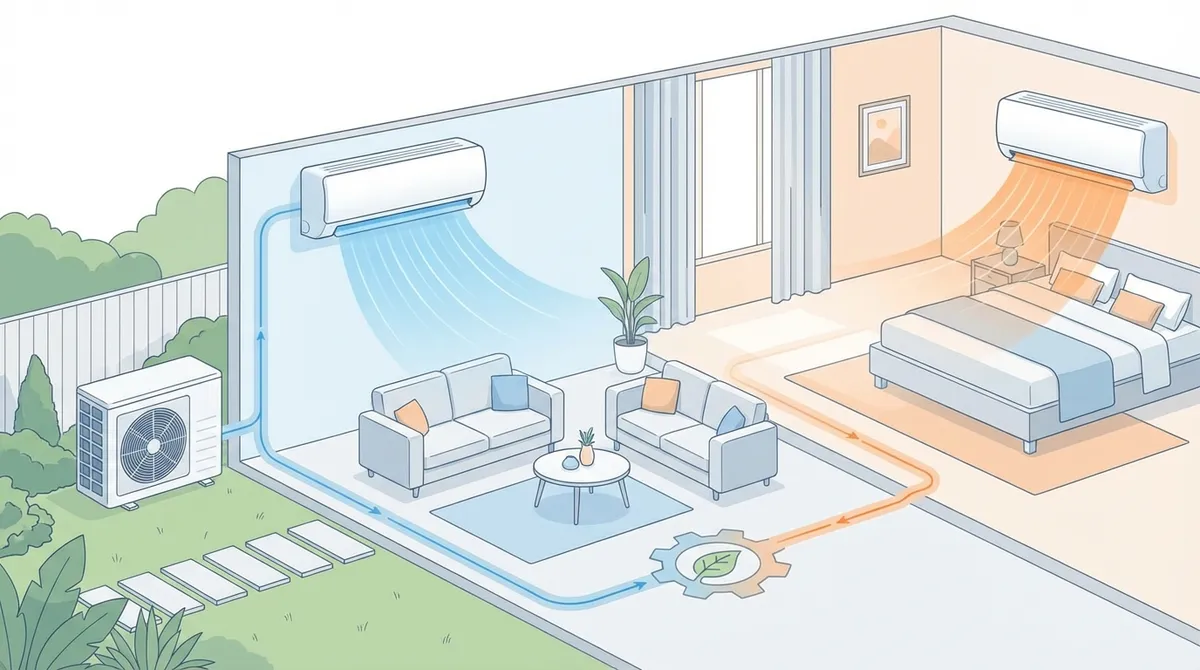
Flexibility is the big draw with ductless systems. Each indoor unit runs on its own. Family members can set their own temperatures in their own rooms. No more thermostat battles!
Mini-splits are perfect for home additions, converted garages, and older homes where new ductwork would cost too much. Installation is simple, too. Your installer only needs a small hole in the wall to connect the indoor and outdoor units.
Why Choose Ductless Mini-Splits?
- Zone Control: Set a different temperature for each room or area. Build custom comfort zones all through your home
- Energy Savings: Skip duct losses, which can eat 20-30% of your energy use. Only cool the rooms you actually use
- Easy Installation: No major remodel needed. Perfect for room additions or homes without existing ductwork
- Quiet Operation: Indoor units run whisper-quiet. That makes them great for bedrooms and home offices
- Improved Air Quality: Multi-stage filters trap dust, allergens, and airborne particles better than most standard systems
Hybrid Dual-Fuel Systems: The Best of Both Worlds
A hybrid dual-fuel packaged system pairs an electric heat pump with a natural gas or propane furnace. Everything fits in one outdoor unit, which saves space.
The system is smart, too. It switches between electricity and fuel based on outdoor temperature and energy prices. You always get the most efficient heat for the moment. In mild weather, the heat pump does the work. When temperatures really drop, the gas furnace takes over for lower-cost warmth.
For Central Florida homeowners, a hybrid system means peace of mind during our rare cold snaps. You still keep heat pump efficiency through our long cooling season. That makes it a strong pick for families who want steady comfort in any weather. You can even pair the controls with a smart thermostat for extra savings and convenience.
Comparing Top HVAC Brands and Models for 2025
Not all HVAC systems are equal. Brand reputation matters when you're spending real money on home comfort. The Goodman GSXC18 uses a high-efficiency two-stage scroll compressor. It delivers steady, reliable performance at a mid-range price. Trane systems are known for durability and industry-leading warranties. Lennox pushes efficiency the hardest. Its SL28XCV runs at variable capacity and stays as quiet as 59 decibels.
Don't judge a system by its price tag alone. Look at the total cost of owning it. That means energy use, upkeep, warranty coverage, and expected lifespan. A pricier, more efficient system can cost less over its life once you count lower energy bills.
Many Central Florida homeowners find that premium efficiency pays off. Our cooling season can run eight to ten months a year, so every efficiency point counts.
| Brand/Model | SEER Rating | Noise Level | Price Range | Best Feature |
|---|---|---|---|---|
| Lennox SL28XCV | Up to 28 | 59 dB | $7,000-$11,000 | Highest efficiency available |
| Trane XV20i | Up to 21.5 | 56 dB | $5,500-$7,800 | Exceptional reliability and warranty |
| Daikin Fit System | Up to 18 | 58 dB | $3,500-$5,500 | Compact design, easy installation |
| Rheem Prestige RA20 | Up to 20 | 60 dB | $4,500-$7,000 | Excellent value for performance |
| Goodman GSXC18 | Up to 18 | 72 dB | $3,000-$5,000 | Budget-friendly reliability |
Sizing Your System: Is Bigger Always Better?
Here's a common mistake: assuming a bigger HVAC system means better comfort. It doesn't. An oversized system turns on and off too often. That causes temperature swings, extra wear, higher energy bills, and poor dehumidification — a big problem in Central Florida's humid climate. An undersized system has the opposite problem. It runs nonstop, never quite cools your home, and wears out early.
Proper sizing starts with a detailed load calculation. It looks at your home's square footage, insulation, window types and placement, ceiling heights, local climate, and even which way your home faces. Professional AC Maintenance experts use Manual J calculations to find the exact capacity your home needs.
This science-based approach protects comfort, efficiency, and system life. It's one of the most important steps in choosing an HVAC system. Yet it's often skipped in favor of simple square-footage guesses.
Energy Efficiency: Understanding SEER, EER, and HSPF Ratings
Efficiency ratings can look like alphabet soup. But once you know them, comparing systems gets easy. SEER (Seasonal Energy Efficiency Ratio) measures cooling efficiency across a whole season. Higher numbers mean lower operating costs. The current minimum in the Southeast is 14 SEER. Premium systems reach 20-28 SEER and save you much more energy.
EER (Energy Efficiency Ratio) measures efficiency at one set point: 95°F outdoors, 80°F indoors. It shows peak performance on the hottest days. HSPF (Heating Seasonal Performance Factor) applies to heat pumps and rates heating efficiency. Look for an HSPF of 8.5 or higher for solid winter performance.
Ratings matter, but they aren't everything. Real-world efficiency also depends on proper installation, regular maintenance, and the right size for your home.
Calculating Your Potential Savings
- Upgrade Impact: Swap a 10 SEER system for an 18 SEER unit and cut cooling costs by about 44%
- Climate Considerations: Central Florida's long cooling season magnifies the benefit. Even small SEER gains add up to big yearly savings
- Utility Incentives: Many local utilities offer rebates on high-efficiency systems. That lowers your upfront cost
- Long-Term Value: Over a 15-year lifespan, a high-efficiency system can save thousands in energy costs compared to a minimum-efficiency model
Installation Quality: The Hidden Factor in System Performance
Even the best-rated HVAC system will fall short if it's installed wrong. Good installation drives efficiency, comfort, noise levels, and system life. What matters most? The right refrigerant charge — even small errors cut efficiency by 10-20%. Well-sized, sealed ductwork. Strong airflow through the whole system. A level outdoor unit. And proper condensate drainage.
This is why working with skilled pros pays off. Smart Home Air and Heat brings the skill and care to make sure your new system performs exactly as designed. We focus on getting the install right on day one. That prevents problems later and protects the value of your investment.
As you compare HVAC systems, remember this: installation quality matters as much as equipment quality. The two work together to deliver the comfort and efficiency you deserve.
Maintenance Requirements: Keeping Your System Running Strong
Each HVAC system type has its own upkeep needs. Factor them into your choice. A central air system needs regular filter changes, a yearly pro tune-up, and duct cleaning now and then. A heat pump needs the same care, plus checks on both heating and cooling parts. A ductless mini-split needs monthly filter cleaning but has fewer parts that need pro service. Its outdoor unit still benefits from a yearly visit.
Geothermal systems need the least upkeep. Their main parts sit protected underground. They still need periodic checks on fluid levels and pump operation.
Whatever system you pick, steady maintenance pays off. It extends equipment life, keeps efficiency high, prevents costly breakdowns, and protects your warranty. Many homeowners find a maintenance plan cheaper and easier than paying for one-off service calls.
Special Considerations for Central Florida Homeowners
Central Florida brings its own HVAC challenges — and opportunities. Our subtropical climate keeps cooling systems working most of the year. That makes efficiency and reliability essential. High humidity is another factor. Your system must pull moisture from the air. An oversized unit cycles too fast, leaves moisture behind, and makes your home feel clammy even at a comfortable temperature.
Salt air near the coast speeds up corrosion. Rust-resistant coatings and materials help your system last.
Hurricane season brings power outages and severe storms. Backup power compatibility and protective features are worth a close look. Many Central Florida homeowners also add indoor air quality solutions. These filter out pollen and mold spores, which thrive in our warm, humid air. As you compare systems, put these regional needs first. Your HVAC investment should be built for our local climate.
Making Your Decision: Key Factors to Weigh
With so many good options, how do you pick the right system for your home? Start with an honest look at your priorities and limits. Budget matters, but weigh both upfront cost and long-term operating cost. Spending more now often saves more over time. Also think about how long you'll stay in the home. Settling in for decades? Premium efficiency makes sense. Selling in a few years? Maybe not.
Next, look at your home itself. Do you have ductwork? How much space is there for equipment? What can your electrical panel handle? Are there layout limits? Think about your family's comfort, too. Do people want different temperatures in different rooms? Finally, weigh your environmental values and your goal to shrink your carbon footprint.
There's no single "best" system for everyone. But there is a best system for your home. Take time to compare your options, and you'll be happy with your choice for years to come.
Getting Expert Help with Your HVAC Decision
Comparing HVAC systems means juggling specs, costs, and your home's unique needs. That's a lot to handle alone. A pro who knows Central Florida's climate makes the process much easier. It also helps you make sure you choose right. Smart Home Air and Heat has helped countless homeowners across Orlando and Central Florida pick and install systems matched to their needs and budgets.
We take pride in teaching our customers, so you feel confident — never pressured or confused. Need emergency service for a failing system? Want to upgrade to more efficient technology? We're here to help either way.
Our team stays current on the latest HVAC innovations, refrigerant rules, and installation best practices. Want proof? Check our reviews — Visit us on Google to read real experiences and see why Central Florida homeowners trust us with their comfort.
Your HVAC choice shapes your daily comfort, your monthly utility bills, and your home's value for years. Now you know the system types, efficiency ratings, and top brands. You're ready to make a smart call that fits your lifestyle and budget.
Central air, an ultra-efficient heat pump, a ductless mini-split, or a hybrid dual-fuel setup — whichever you choose, right sizing and professional installation are the keys to the performance you expect. Ready to explore your options? We're here to help every step of the way. Schedule your consultation today and see what expert guidance and quality installation do for your home comfort.
Choosing an HVAC System FAQs
Q: What’s the difference between R-454B and R-32 refrigerants in 2025 HVAC systems?
A: Both R-454B and R-32 meet 2025 EPA rules. Both have a much lower Global Warming Potential than the older R-410A. R-454B has a GWP of 466. R-32 sits at 675. R-410A? A much higher 2,088. Both work great in modern systems. The choice usually comes down to the brand and model you pick. Your HVAC pro can help you decide which one fits your system best.
Q: Are ductless mini-split systems more efficient than central air conditioning?
A: Usually, yes. A ductless mini-split skips duct losses, which can eat 20-30% of the energy a central system uses. It also uses inverter technology to adjust output instead of cycling on and off. That said, a well-sized central air system with sealed ducts can be very efficient, too. The best choice depends on your home's layout, existing ductwork, and comfort preferences.
Q: How much can I save by upgrading to a high-efficiency HVAC system?
A: Savings depend on your current system and the new system's SEER rating. Move from a 10 SEER system to an 18 SEER unit and you can cut cooling costs by about 44%. Central Florida's long cooling season makes even small gains add up fast. Over a 15-year lifespan, a high-efficiency system often saves thousands in energy costs while keeping you more comfortable.
Q: What size HVAC system do I need for my home?
A: The right size comes from a detailed Manual J load calculation. It covers your home's square footage, insulation, windows, ceiling height, and which way it faces — not just a quick square-footage guess. Too big, and the system cycles too often and skips dehumidifying. Too small, and it runs nonstop without ever getting comfortable. A pro assessment makes sure you get the right size for efficiency and comfort in Central Florida's climate.
Q: Should I choose a heat pump or traditional air conditioner for Central Florida?
A: A heat pump is often the best fit for Central Florida. It heats and cools well in our mild winter climate. It moves heat instead of making it, so it uses far less energy than a furnace during our rare cold snaps. In summer, it works as your AC. One system, year-round comfort. Already have a gas furnace you love? A traditional AC might make more sense for you.
Whether you live in Orlando, East Orlando, Altamonte Springs, Avalon Park, and Oviedo, Smart Home Air and Heat delivers the same fast, honest service with our 90-minute arrival guarantee and $0 after-hours fee.