
Key Takeaways
- Build a maintenance schedule that fits your equipment, usage, and the season. This stops surprise breakdowns.
- Inspect your system often and write down what you find. Catch small issues before they become costly repairs.
- Clean your equipment often, especially filters and coils. This can improve efficiency and extend system life by 5-15%.
- Replace wear items early, following the maker's guidelines. This prevents chain-reaction failures and cuts total maintenance costs.
- Use modern tools like smart sensors and maintenance software. They help you predict problems with real data.
- Budget for maintenance and treat it as an investment. It can save 30-40% compared to waiting for things to break.
Ever had your air conditioner quit on the hottest day of summer? Or watched your heating system sputter out during a winter freeze? Preventative maintenance stops these headaches. Think of it like a dental checkup. You go before a cavity hurts. Maintenance works the same way. It keeps your equipment running smoothly before problems get out of control.
Downtime is expensive. Manufacturers lose an average of $125,000 per hour when equipment fails. So maintenance is not just a nice extra. It keeps your home comfortable and your wallet happy. Maybe you run a business. Maybe you just care for your home's HVAC system. Either way, good maintenance can extend equipment life by 20 to 40%. It can also cut maintenance costs by up to 40%. That kind of return makes sense for everyone.
At Smart Home Air and Heat, we see it every day. Regular maintenance turns costly emergency repairs into simple planned visits. Let's dig into the tips that keep your Orlando AC and heating systems humming.
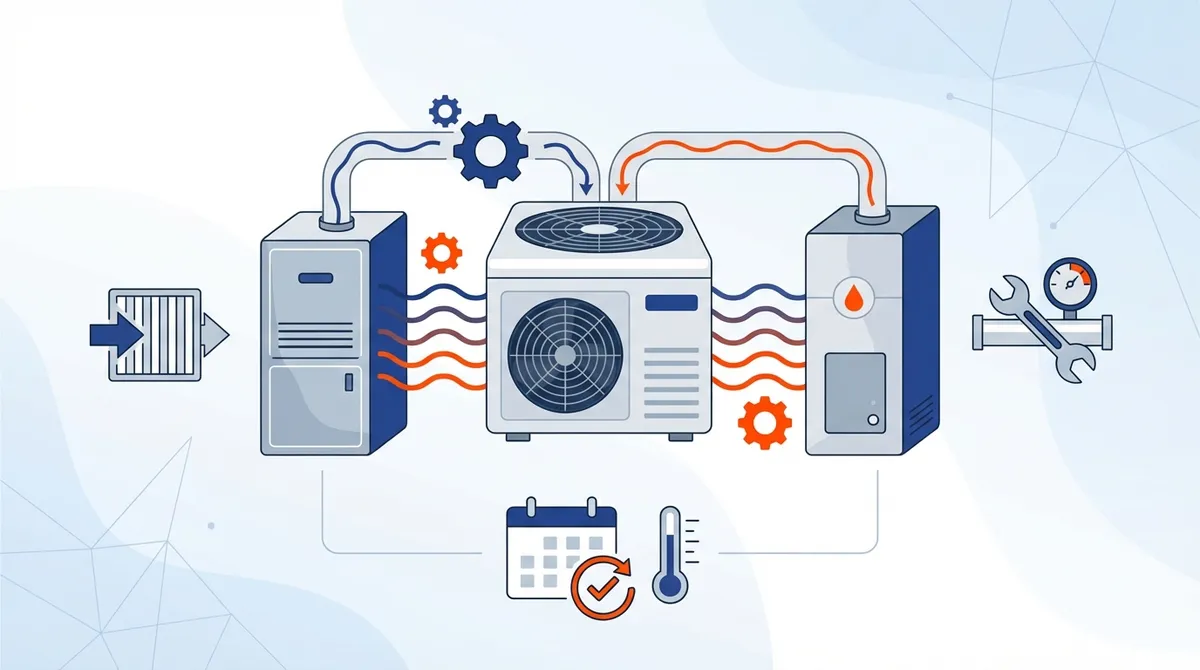
1. Understand the Core Types of Preventative Maintenance
Preventative maintenance is not one-size-fits-all. A few types fit different needs. Time-based maintenance follows a set schedule. For example, you change your HVAC filter every three months no matter what. Usage-based maintenance kicks in after a set number of run hours. Think of your car's oil change reminder. Condition-based maintenance watches performance and books service when things start to slip.
The good news? You can mix and match these types to fit your needs. Your home's heating system may need a time-based check before winter. Commercial equipment may need usage tracking instead. The payoff is real. Teams that use preventive and predictive maintenance see 52.7% less unplanned downtime than those who only fix things after they break.
Many modern systems also use predictive tools. Sensors and data forecast failures before they happen. That means you fix only what needs fixing. You get fewer surprise breakdowns and longer equipment life.
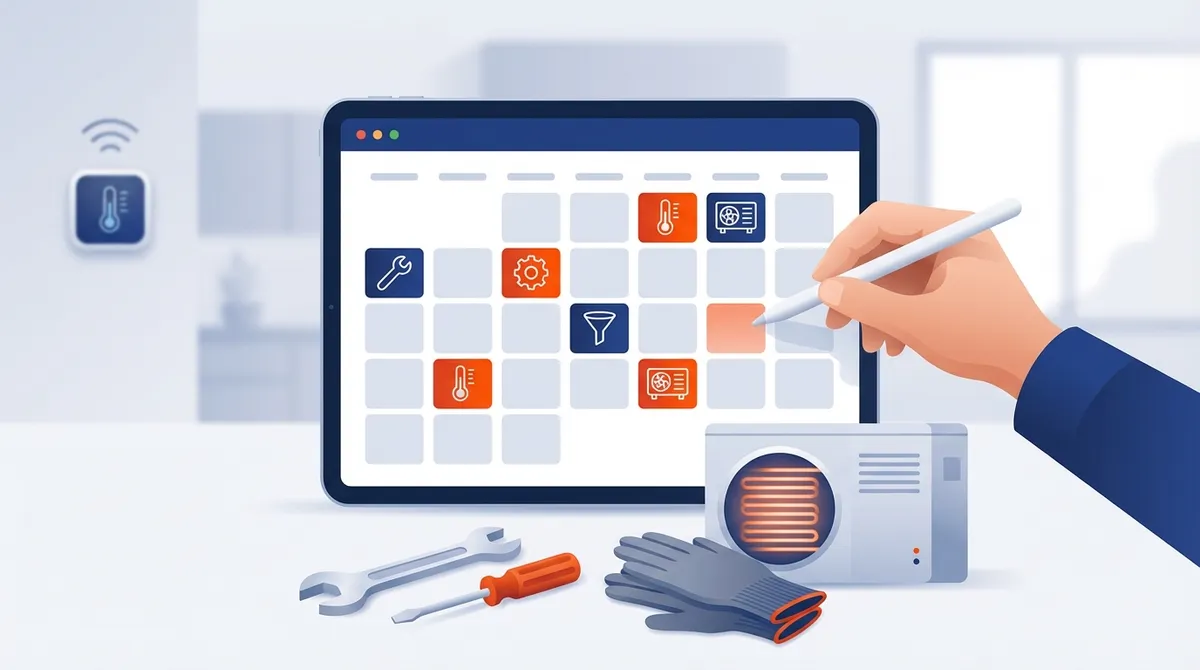
2. Create a Realistic Maintenance Schedule
The best maintenance plan is one you will actually follow. Start by listing every item that needs regular care. That includes HVAC systems, water heaters, appliances, and other mechanical systems. For homeowners, add your AC unit, furnace, water heater, and even small items like ceiling fans and exhaust fans.
Next, sort tasks by how often they come up. Some need daily checks. Others need weekly, monthly, quarterly, or yearly attention. Not everything needs constant care. Knowing what needs weekly versus yearly work helps you plan your time and money. A clear schedule keeps tasks from piling up and taking over.
Think about the seasons too. HVAC maintenance before summer and winter makes sure your system is ready when you need it most. In Central Florida, that timing matters. It helps you beat the rush when everyone's AC fails at once in extreme weather.
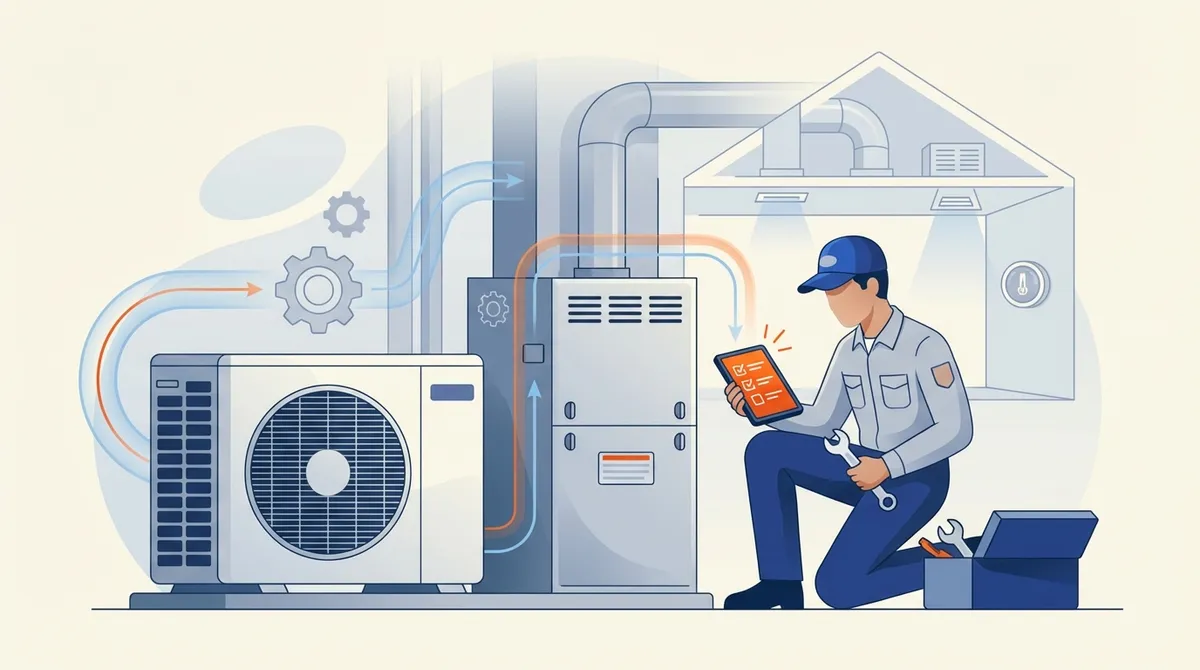
3. Master the Art of Routine Inspections
Regular inspections are the foundation of preventative maintenance. Look for early warning signs. That means odd noises, vibrations, leaks, rust, loose connections, or performance changes. These sights and sounds often signal problems long before equipment fails.
For HVAC systems, an inspection should cover a few basics. Check refrigerant levels. Look at electrical connections. Test the thermostat. Check the airflow. You can do simple visual checks yourself. But schedule a pro inspection too, so nothing gets missed. Pros have special tools and training to spot issues you can't see.
Write down what you find. Note when you found it and what you did about it. This history helps you spot patterns. It also helps you predict when parts will wear out. Surprises become planned expenses.
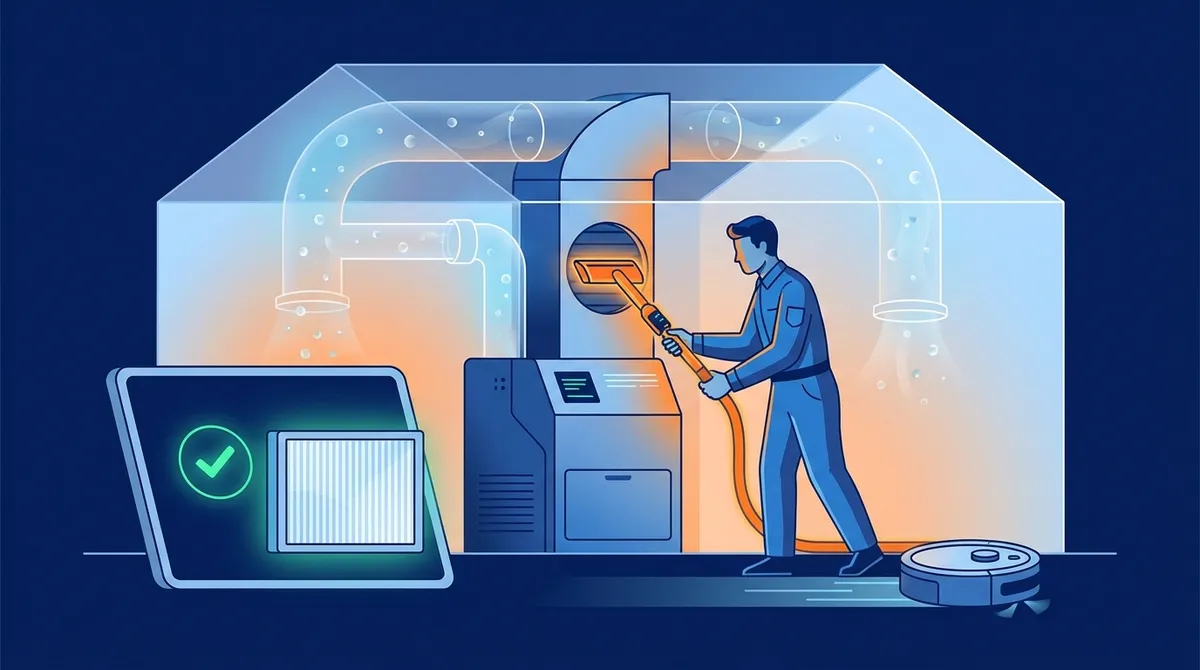
4. Implement Proactive Cleaning Protocols
Cleaning may seem boring. But it's one of the most powerful maintenance tools you have. Dust and buildup force equipment to work harder. That wastes energy and wears parts out faster. Regular cleaning of coils, filters, vents, and moving parts boosts efficiency and helps equipment last.
Dirty AC filters restrict airflow. Your system runs longer cycles, which raises wear and energy costs. Replacing or cleaning filters monthly during peak season can improve efficiency by 5-15%. Cleaning the condenser coils once a year helps too. Good heat transfer takes strain off the compressor.
Adjust your cleaning schedule to your home. Pets, nearby construction, and dusty areas mean you need to clean more often. Commercial buildings with heavy use collect debris faster. They need a more aggressive cleaning routine.
5. Prioritize Lubrication and Component Care
Moving parts need lubrication. It cuts friction, prevents overheating, and reduces wear. Motors, bearings, and fans all benefit from proper lubrication. Follow the maker's specs closely. Too much lubricant causes as many problems as too little.
Different parts need different lubricants. Some need oil. Others need grease. Some formulas work better in extreme heat. The wrong lubricant can damage equipment or void your warranty. When in doubt, check the manual or ask a pro.
Many newer HVAC systems use sealed bearings that never need lubrication. Older systems definitely do. During routine visits, your technician should find every lubrication point and service it. This one simple step prevents many mechanical failures. It also adds years to your equipment's life.
6. Monitor and Test Critical Systems Regularly
Visual checks are not enough on their own. Active testing finds problems before they turn critical. For HVAC systems, that means measuring temperature differences and checking motor amp draw. It also means testing capacitors and verifying proper cycling. These tests give you hard data about system health that your eyes can't.
Smart thermostats and monitoring systems make testing easy. They track performance on their own. They alert you when something drifts from normal. Some systems even book a service call automatically when readings go out of range. You don't have to watch a thing.
Safety testing matters just as much. That means carbon monoxide checks, electrical safety tests, and ventilation checks. These protect your family or your staff. Never skip or delay them. The cost of failure can be deadly. Pro technicians have the gear and training to run full safety tests during routine visits.
7. Replace Components Before They Fail
One of the cheapest ways to prevent trouble is to replace parts on a schedule. Don't wait for them to fail. Filters, belts, batteries, and other consumable parts have predictable lifespans. Swapping them early prevents chain failures, where one broken part damages others.
Here's an example. A worn fan belt snaps and damages the motor. A $20 belt turns into a $500 motor repair. Our AC repair cost guide breaks down typical repair costs. A weak capacitor works the same way. Left too long, it can overheat and damage the compressor. That turns a $150 repair into a $2,000 replacement. The math clearly favors replacing wear items on schedule.
Keep spare parts on hand for critical systems. This matters most if you live far out or manage commercial buildings. Extra filters, belts, and fuses cut downtime when you need a swap fast. This small investment pays off when equipment needs attention right away.
8. Leverage Technology and Automation
Technology makes modern maintenance much easier. Computerized maintenance management systems (CMMS) track schedules and store equipment history. They also send reminders when service is due. You don't have to remember anything, and nothing falls through the cracks.
Smart sensors watch equipment around the clock. They catch small changes people would miss. Temperature sensors, vibration monitors, and energy trackers show real-time system health. Add analytics, and you get true predictive maintenance. You can fix problems days or weeks before failure.
Even simple tools help. Set calendar reminders for filter changes. Schedule your annual pro inspection. Use an app to track your maintenance history. The easier you make it, the more likely you'll stick with it over time.
9. Train Everyone Involved in Maintenance
Good maintenance takes knowledge and skill. Doing it yourself? Take time to learn the right steps. Use manufacturer guides, YouTube tutorials, or training courses. When you know how systems work, you spot problems early and do the work right.
Commercial buildings need trained staff. Everyone should know their maintenance duties. Operators should handle basic troubleshooting, spot warning signs, and know when to call a pro. Shared knowledge keeps small issues from growing while everyone waits for expert help.
Checklists and written steps keep everyone consistent. They cut errors, especially on complex systems with many steps. They also help train new staff, so people learn faster.
10. Budget Appropriately for Preventative Maintenance
Many people skip maintenance because they never budget for it. They see it as a cost instead of an investment. Then a delayed service call turns into a costly failure. In truth, preventative maintenance can save 30 to 40% compared to waiting for breakdowns.
Set a dedicated maintenance budget. Cover routine service, parts, pro inspections, and the occasional surprise. For homeowners, budgeting $300-500 a year for HVAC maintenance prevents $1,000-5,000 emergency repair bills. Scheduled costs are also easier to plan for than random emergencies.
Consider a maintenance plan that spreads costs through the year and guarantees priority service. Many HVAC companies, including Smart Home Air and Heat, offer them. Plans include regular inspections, priority scheduling, and repair discounts. They often pay for themselves through better efficiency and fewer breakdowns.
11. Document Everything Thoroughly
Good records turn scattered tasks into a real program. Write down every inspection, service, part swap, and observation. This history reveals patterns. It supports equipment replacement decisions. It also proves you did the work for warranty claims or insurance.
Digital records make this easy. Photos from inspections show equipment condition over time. Notes about odd sounds or performance changes help technicians diagnose problems faster on future visits.
Records also help when you sell your home or equipment. A full service history shows responsible ownership and can raise resale value. Buyers pay more for well-maintained equipment with proof behind it. The same equipment with no history sells for less.
12. Focus on Workplace Safety and Compliance
Preventative maintenance makes your home or workplace safer. Inspections catch hazards before they cause accidents. That includes electrical issues, refrigerant leaks, carbon monoxide risks, and structural problems. Companies with strong maintenance programs report fewer accidents, injuries, and code violations.
Safety equipment needs care too. Fire extinguishers need annual inspections. Emergency lights need testing. Safety shut-offs must work. These systems sit idle until an emergency hits. Regular testing makes sure they work when you need them most. Maintaining safety systems literally saves lives.
Staying up to code also depends on proper maintenance. Building codes, environmental rules, and industry standards often require specific tasks and records. Poor maintenance can bring fines, liability, or denied insurance claims. Regular upkeep keeps you on the right side of the rules.
13. When Should You Call an HVAC Professional?
Many maintenance tasks are DIY-friendly. But you need to know when to call a pro. Complex systems, refrigerant work, electrical work, and equipment under warranty all need professional hands. Repairs beyond your skill level can cause more damage, void warranties, or create safety hazards.
Pro technicians bring special tools, diagnostic gear, and experience. They find problems fast and fix them right. They can also handle work that requires a license or certification. For critical HVAC systems, AC repair and heating repair should always go to qualified pros.
Build a relationship with a service provider you trust. You'll get priority when you need it. Companies serving communities throughout Orlando and Central Florida like Smart Home Air and Heat offer emergency service with guaranteed response times. That means help is there when systems fail. Regular customers often get better scheduling and pricing too.
Start Your Preventative Maintenance Journey Today
Preventative maintenance changes how you manage equipment. You move from crisis mode to planning ahead. The numbers speak for themselves: 52.7% less unplanned downtime, 20-40% longer equipment life, and 30-40% cost savings. These rules work for a single home HVAC system or a whole commercial building.
The best time to start was yesterday. The second-best time is today. Begin with the basics. Make a simple schedule. Do visual checks. Replace filters on time. Book professional service. Once the simple habits stick, add more advanced tasks.
Preventative maintenance is not about perfection. It's about progress. Every inspection, cleaning, and scheduled service makes your equipment more reliable and efficient. What you invest today pays off for years. You get fewer emergencies, lower energy bills, and longer equipment life.
Don't wait for the next breakdown. Check our reviews on our Google Business Profile and see how we treat our customers. Need help starting a maintenance program? Need service right now? Help is one phone call away. Schedule your preventative maintenance service today. Protect your investment and stay comfortable all year.
Connect with us on Facebook for maintenance tips, seasonal reminders, and special service offers. Stay ahead of equipment problems before they disrupt your comfort.
Preventative Maintenance FAQs
Q: What’s the difference between preventative and predictive maintenance?
A: Preventative maintenance follows a set schedule based on time or usage. Changing filters every three months is one example. Predictive maintenance uses sensor data to forecast failures before they happen. You service the system only when the data shows wear. Both are proactive. Predictive is more data-driven and can cost less for complex equipment.
Q: How often should I schedule HVAC preventative maintenance?
A: Most HVAC systems need professional maintenance twice a year. Book once before cooling season in spring and once before heating season in fall. Our heating maintenance plan covers that fall tune-up, so your system is ready when temperatures drop. Also change filters monthly during peak use. Do a visual check each quarter. Call right away about odd sounds or performance changes. This routine prevents most breakdowns and keeps efficiency high.
Q: Can preventative maintenance really extend equipment lifespan?
A: Absolutely! Studies show preventative maintenance can extend equipment life by 20 to 40% over reactive repairs. Regular cleaning, lubrication, and part replacement prevent fast wear. Dirty filters, low refrigerant, and failing parts age a system quickly. A well-maintained HVAC system can easily last 15-20 years. Without proper care, expect 10-12 years.
Q: What are the biggest cost benefits of preventative maintenance?
A: Preventative maintenance saves 30-40% compared to reactive repairs. You avoid emergency repairs. You use less energy because the system runs better. You also stop chain failures, where one broken part damages others. You skip overtime labor, rush shipping on parts, and downtime losses too. These savings quickly beat the cost of regular maintenance.
Q: Should homeowners do their own preventative maintenance or hire professionals?
A: The answer is both! You can handle basic tasks yourself. Change filters, do visual checks, and keep the outdoor unit clear of debris. Leave the rest to professional technicians. That means full inspections, refrigerant checks, electrical testing, and any work needing special tools or a license. This mix saves money and keeps your system safe and running right.
Smart Home Air and Heat proudly serves homeowners across Central Florida, including Orlando, East Orlando, Winter Park, Lake Nona, and Oviedo. Call (407) 465-7777 for same-day service with our 90-minute arrival guarantee.