
Your heating or cooling system just died. Now you face a big choice: hire a pro HVAC company, or install it yourself to save money? Homeowners across Central Florida wrestle with this question all the time. The answer is not always simple. HVAC installation involves electrical work, refrigerant handling, and exact calculations. Those details affect your comfort and energy bills for years.
Pick wrong, and you could sweat through summer or shiver through winter. You could also void warranties or create safety hazards. This guide breaks down the real costs, benefits, and risks of professional HVAC installation versus DIY. It will help you make the smartest choice for your Orlando home and budget.
Understanding the True Scope of HVAC Installation
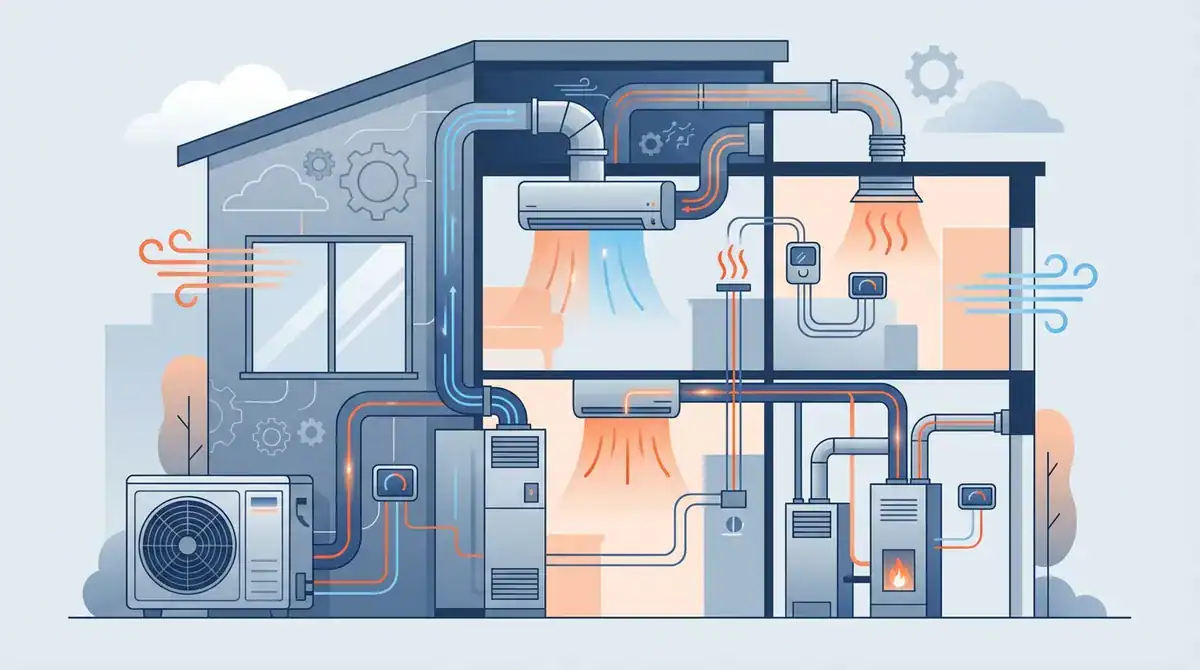
Before you compare costs, you should know what HVAC installation really involves. It is not just swapping one unit for another. It is a complex job that needs several special skills. Pros run load calculations to pick the right system size. They handle electrical work, install and charge refrigerant lines, and repair or modify ductwork. They also wire the thermostat and test the whole system.
The job gets much harder when you upgrade to a more efficient system or switch system types. Modern HVAC systems also connect to smart thermostats and home automation, which adds more technical steps.
The Department of Energy says installation matters as much as equipment efficiency. A bad install can cut efficiency by up to 30%. That wipes out the savings from a high-efficiency model.
The Professional Installation Advantage
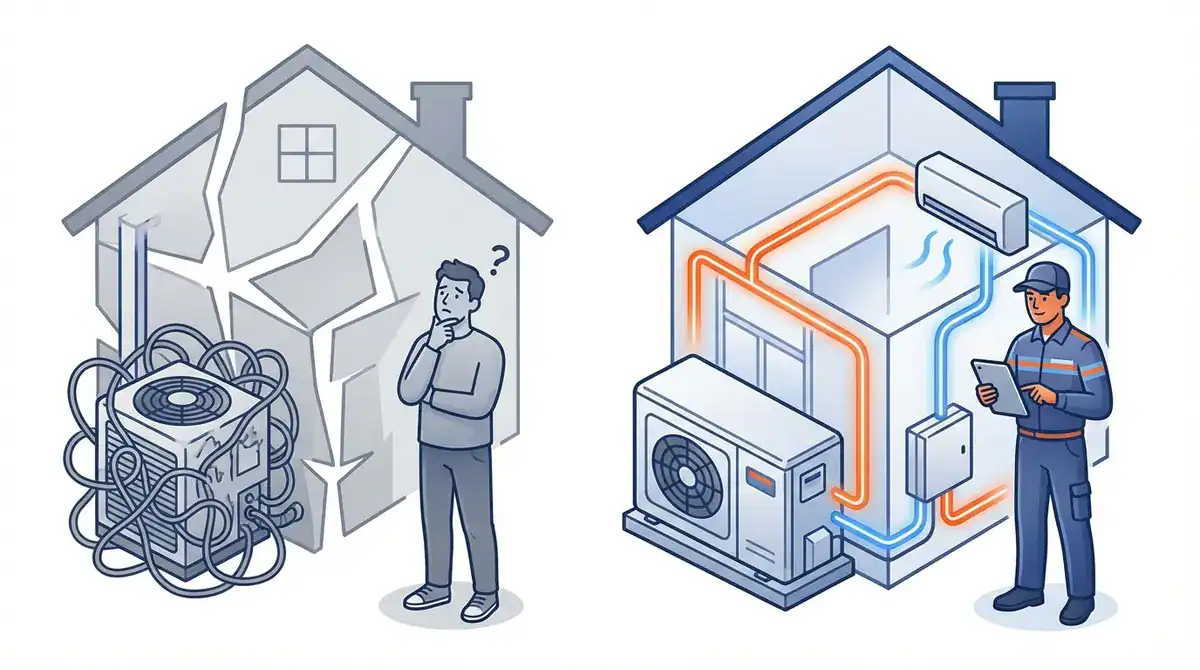
When you search for “HVAC installation near me” and hire a qualified pro, you get far more than labor. Licensed HVAC techs bring years of training, special tools, and trade knowledge. All of that directly affects how well your system runs and how long it lasts. Here are the key advantages of professional installation.
Expertise and Proper Sizing
Getting the right system size is one of the most critical parts of AC installation. Too small, and your system runs nonstop and never cools your home. Too large, and it short-cycles, wastes energy, and fails to pull humidity from the air.
Pro installers run Manual J load calculations. These account for your home's square footage, insulation, windows, sun exposure, and local climate. This science-based approach makes sure you get the right capacity for comfort and efficiency.
Warranty Protection and Compliance
Here is something many DIY fans miss: most HVAC makers require professional installation to keep the warranty valid. Install the system yourself, and you may lose warranty coverage — even for a factory defect. That puts equipment worth thousands of dollars at risk. Pros also pull permits and follow local building codes. That protects you from legal trouble and headaches when you sell your home.
Safety and Proper Refrigerant Handling
HVAC systems contain refrigerants, and you need EPA certification to handle them legally. These chemicals can harm your health and the environment when handled the wrong way. Pro techs have the certification, gear, and training to do it safely. They recover old refrigerant, charge new systems to spec, and dispose of materials by the rules. They also know how to connect high-voltage equipment without creating hazards.
Time Efficiency and Guaranteed Results
A pro team can finish the job in 4-8 hours. A DIYer could easily burn a whole weekend or more — and that assumes nothing goes wrong. Companies like Smart Home Air and Heat work fast and guarantee their work. If problems come up later, you have real support instead of solo troubleshooting. Check out what our customers say on Google about their installation experiences.
The DIY Installation Reality Check
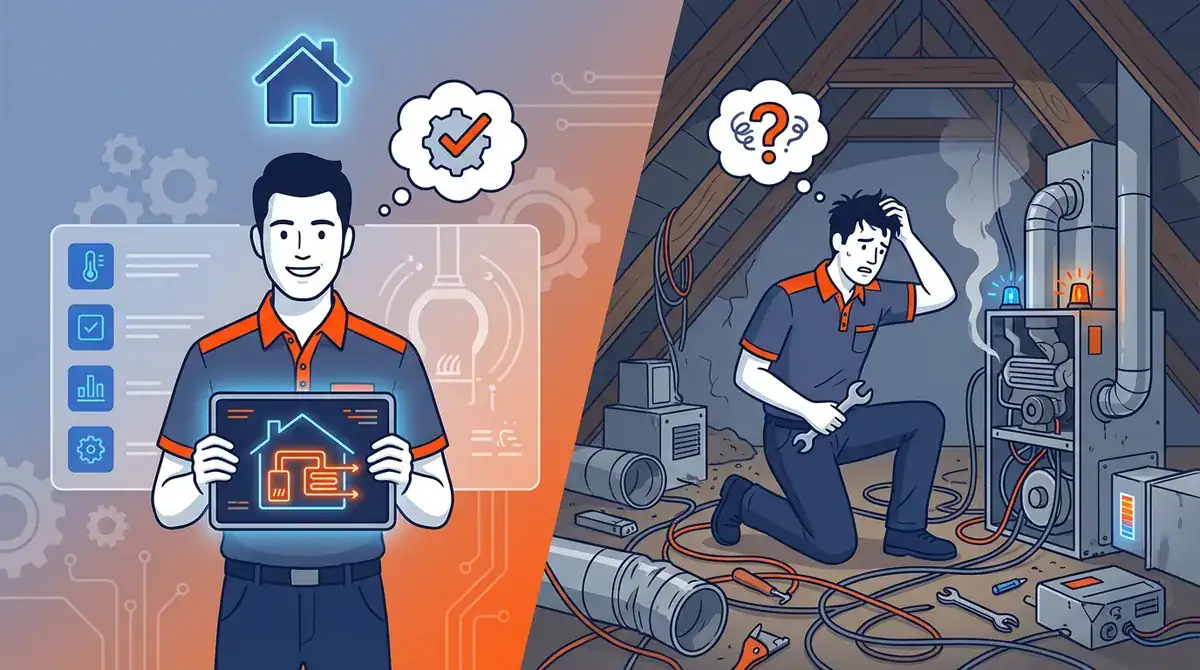
Now let's look at the DIY side honestly. Saving money on labor sounds great. But DIY HVAC installation brings big challenges. Many homeowners underestimate them until they are knee-deep in the project.
Required Tools and Equipment
HVAC installation needs special tools most homeowners do not own. You need vacuum pumps to clear refrigerant lines, gauge sets to check pressure, and torque wrenches for fittings. You also need refrigerant recovery gear, electrical testers, and ductwork tools. Buying or renting these can easily cost $500-$1,000 or more. That eats a big chunk of your labor savings.
Legal and Safety Concerns
In most areas, you need EPA Section 608 certification to work with refrigerants legally. Handle them without it, and fines can reach $37,500 per day per violation. The safety risks are real too. A bad install can cause electrical hazards, refrigerant leaks, and carbon monoxide danger with heating systems. Equipment that is not properly supported can also cause structural problems.
The Hidden Costs of Mistakes
When a DIY install goes wrong, the fix gets expensive. A wrong refrigerant charge can kill the compressor. Bad wiring can damage equipment. Poor condensate drainage leads to water damage. Leaky ductwork can cut efficiency by 20-30%. And your manufacturer warranty may be voided. One big mistake can cost more than hiring a pro from the start.
Cost Comparison: Breaking Down the Numbers
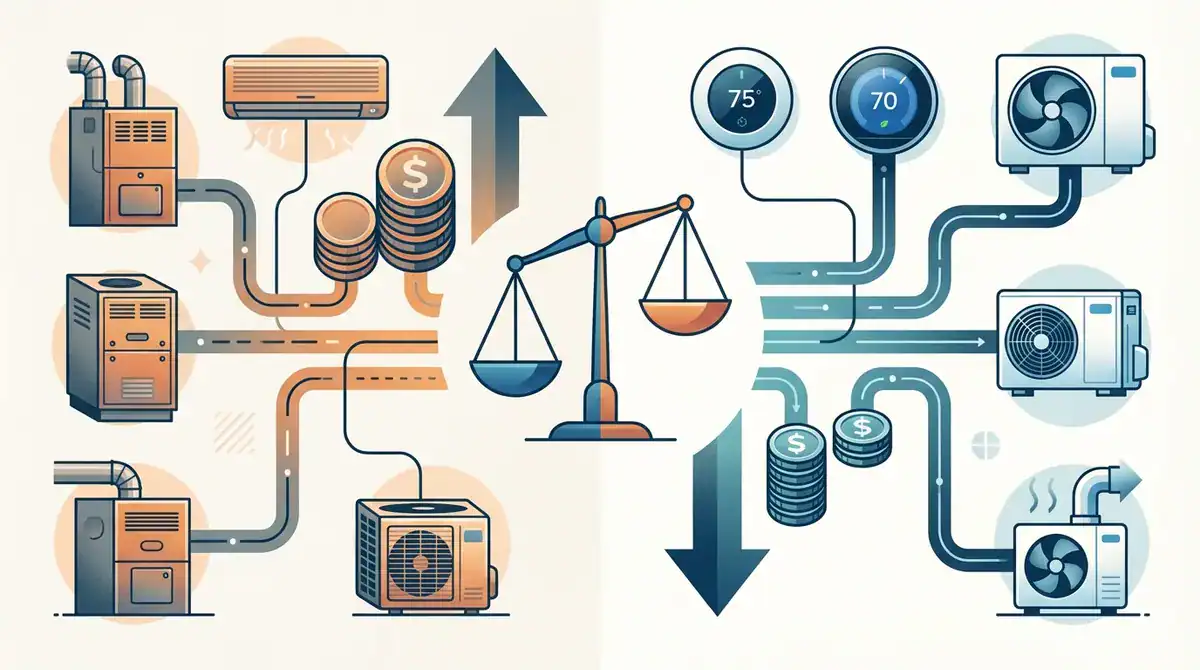
Let's get specific about the money. Knowing the true costs helps you make a smart choice. Weigh both the upfront expense and the long-term value.
| Cost Category | Professional Installation | DIY Installation |
|---|---|---|
| Equipment Cost | $3,000 – $7,000 | $2,500 – $6,000 |
| Labor | Included in total | $0 (your time) |
| Tools/Equipment | $0 | $500 – $1,000 |
| Permits | Included | $100 – $300 |
| Warranty Coverage | Full manufacturer + labor | May be voided |
| Total Average Cost | $5,000 – $10,000 | $3,100 – $7,300 |
DIY looks cheaper upfront. But this table does not count your time, the risk of costly mistakes, warranty problems, or lost efficiency from a bad install. Factor in those hidden costs, and the gap shrinks fast.
When DIY Might Make Sense (Rarely)
To be fair, DIY HVAC work can make sense in a few rare cases. Full system installation is almost never one of them. If you worked in HVAC before, you may have the skills and certifications. Some handy homeowners can install a thermostat or handle basic ductwork repairs. But even skilled DIYers stop at full system installation. The refrigerant rules and sheer complexity are why.
A better middle ground: do the prep work yourself. Clear the install area, remove old landscaping around the outdoor unit spot, or paint walls first. Then hire pros for the actual HVAC work.
The Professional Installation Process: What to Expect
What happens during a professional heating installation or cooling system setup? Knowing the steps helps you see the value you get. Here is the typical process pro companies follow:
- Initial Assessment: Techs check your home's needs, run load calculations, and recommend the right system size and type. They factor in your comfort goals and budget.
- System Removal: If you are replacing a system, pros remove the old equipment safely. They recover and dispose of refrigerant by environmental rules.
- Installation Preparation: This covers any needed ductwork changes, electrical upgrades, or structural adjustments for the new equipment.
- Equipment Installation: Techs install the indoor and outdoor units. They make sure everything is mounted, leveled, and connected securely.
- Refrigerant Line Work: They install new refrigerant lines or test the old ones. Then they evacuate the lines and charge the system to the maker's specs.
- Electrical Connections: All electrical work meets code. That includes proper disconnect installation and thermostat wiring.
- System Testing: Full testing confirms proper operation, good airflow, correct refrigerant charge, and top performance in every mode.
- Customer Training: Techs show you how the system works, explain upkeep, and answer your questions.
This step-by-step approach makes sure nothing gets missed. Your system runs at peak efficiency from day one. Companies serving communities throughout Orlando and Central Florida like Smart Home Air and Heat follow these strict standards on every install.
Making Your Decision: Key Factors to Consider
Still weighing professional installation against DIY? Think about these key factors before you decide:
Your Skill Level and Experience
Be brutally honest about your mechanical skills and HVAC knowledge. Watching YouTube videos is not the same as hands-on work with refrigerant, wiring, and diagnostics. If you have never worked on HVAC systems professionally, a full install is almost certainly beyond your skill level.
Time and Convenience
Can you go without heating or cooling for days if the DIY job runs long? Do you have time to research, plan, buy tools, and do the work? Remember, pros can usually finish an install in one day. That keeps disruption to your household low.
Long-Term Reliability
A badly installed system might work at first. Then problems show up over time — often after the warranty runs out. Professional installation gives you peace of mind. Your system is set up right for years of reliable service.
Resale Value Considerations
Selling your home someday? Proof of professional HVAC installation adds value and trust. Buyers and home inspectors favor pro-installed systems. DIY work can raise red flags about other changes made to the home.
Local Climate Demands
In Central Florida's intense heat and humidity, your HVAC system is not a luxury. It is essential. Installation errors hit harder in extreme climates like ours. An undersized or badly charged system will struggle through peak Orlando summers. And AC repair bills add up fast when problems start.
Finding the Right Professional Installer
Decided professional installation is right for you? Picking the right contractor is the next big step. Here is how to find and vet HVAC installation companies in your area:
- Verify Licensing and Insurance: Make sure the company holds proper state HVAC licenses. It should also carry liability and workers' compensation insurance.
- Check Reviews and References: Look for steady positive feedback on install quality, professionalism, and customer service. Check several review platforms.
- Evaluate Experience: Pick companies with deep installation experience — especially with the brand and type of system you want.
- Compare Detailed Quotes: Get written estimates from several contractors. Each should break down equipment, labor, permits, and any extra work.
- Understand Warranties: Ask what manufacturer and labor warranties come with the job, and how long they last.
- Assess Communication: Notice how fast and helpful each company is during the quote process. It shows how they will handle issues after the install.
Companies that offer strong guarantees and fast, responsive service show confidence in their work. They care about keeping customers happy. You can also connect with trusted HVAC pros through platforms like Facebook to see how they engage with their community and customers.
The Maintenance Factor: Professional Installation Pays Off
Here is an advantage many people overlook: properly installed systems need fewer repairs. They also respond better to regular upkeep. A right-sized, well-installed system takes less stress and wear. Pro installers often offer HVAC maintenance plans too. These include priority service, repair discounts, and regular tune-ups that extend system life.
Pro installers also record baseline performance numbers during the install. That makes future problems easier to diagnose. They document system specs, electrical connections, and refrigerant charges. That information is gold when repairs are needed years down the road.
Emergency Considerations and System Failures
What if your system dies suddenly and you need a replacement now? DIY installation is simply not an option in an emergency. You need cooling or heating back fast. Pro companies often offer emergency service with rapid response times. They get your home comfortable again in hours, not days or weeks.
In an emergency, professional installation proves its worth. You need skill, speed, and reliability — not a learning curve or trial and error.
Additional Services That Add Value
Pro HVAC companies usually offer extra services that boost your system's performance and your home's comfort. These can include indoor air quality testing and upgrades, better filtration or humidification, energy audits, and smart home integration.
Some installs pair well with related work, like water heater replacement or upgrades. Bundling these projects saves time and money. Pro companies can coordinate it all as one complete home comfort plan.
Making the Investment Worthwhile
Worried about the cost of professional installation? Many HVAC companies offer financing. Spreading out payments makes pro installation easier to afford. You still get a proper setup from day one. The monthly gap between DIY and pro is often small — maybe $30-50 monthly on a typical financing plan. Meanwhile, the benefits last the system's full 15-20 year lifespan.
Also look into rebates and incentives for high-efficiency systems. Federal tax credits, utility rebates, and manufacturer deals can cut install costs a lot — sometimes by $1,000 or more. Pro installers stay current on these programs and can help you get the most savings.
Final Verdict: Professional Installation Wins for Most Homeowners
After weighing all the factors, professional HVAC installation wins for most homeowners. DIY may save some money upfront. But the risks, complexity, legal rules, and costly mistakes make it impractical for most people. Pro installation delivers expertise, warranty protection, safety compliance, speed, and guaranteed results. That is worth far more than the labor savings of DIY.
Your HVAC system is a major investment in your home's comfort, energy efficiency, and value. Professional installation protects that investment with reliable performance and a long service life. Add up the warranty protection, peace of mind, proper sizing, safety compliance, and avoided mistakes. Professional installation is not just the safer choice. It is the smarter financial one.
Replacing a failing system? Upgrading to more efficient equipment? Either way, trust the job to experienced pros with the knowledge, tools, and credentials to do it right the first time. For homeowners in Central Florida who want reliable, expert HVAC installation, schedule your installation consultation today and feel the difference professional service makes.
You can also explore helpful installation guides and tips on YouTube to see what quality installation looks like. Your home's comfort is too important to leave to chance. Make the choice that protects your investment and delivers years of reliable, efficient heating and cooling.
DIY vs Professional HVAC Installation FAQs
Q: How much does professional HVAC installation cost compared to DIY?
A: Professional installation usually costs $5,000-$10,000 total. DIY might run $3,100-$7,300 once you add equipment, tools, and permits. But DIY risks voided warranties and costly mistakes that can wipe out any savings. Peace of mind, warranty protection, and a proper install make professional service the smarter long-term investment.
Q: Can I install my own HVAC system to save money?
A: It is possible on paper, but we do not recommend DIY HVAC installation for most homeowners. You need EPA certification to handle refrigerant, plus special tools that cost $500-$1,000. You also need deep technical knowledge and must meet building codes. Most manufacturers void warranties on self-installed systems too. Professional installation is the wiser choice.
Q: What are the risks of DIY HVAC installation?
A: DIY risks include voided manufacturer warranties and wrong refrigerant charges that damage the compressor. Bad wiring creates electrical hazards. Uncertified refrigerant handling can bring fines up to $37,500. Mistakes can also cut system efficiency by 20-30%. These problems often cost more to fix than hiring a pro would have.
Q: How long does professional HVAC installation take?
A: Professional HVAC installation usually takes 4-8 hours for a simple replacement. Complex jobs with ductwork changes can take a full day. DIY can eat a whole weekend or longer, especially if you are new to it. Pro teams work fast with special tools and a coordinated process.
Q: What should I look for when choosing an HVAC installation company?
A: Look for proper state licensing and insurance, plus strong customer reviews on several platforms. Check for solid experience with your system type, detailed written quotes, good warranty coverage, and responsive communication. Companies that offer service guarantees and maintenance plans show confidence in their work. They also care about long-term customers.
Smart Home Air and Heat proudly serves homeowners across Central Florida, including Orlando, Altamonte Springs, Casselberry, Maitland, and Seminole County. Call (407) 465-7777 for same-day service with our 90-minute arrival guarantee.