
Why Orlando Homeowners Are Switching to Blown-In Insulation
- Blown-in insulation fills every gap in your home. It forms one solid heat barrier. That can cut your energy bills by up to 30% and boost comfort.
- Pro installers use thermal cameras and special gear. This makes sure your attic, walls, and tight spaces get full coverage.
- Cellulose insulation is a green choice made from 85% recycled material. It seals air leaks well and resists fire.
- Air sealing plus blown-in insulation attacks the two biggest sources of energy waste. You get steadier temps and lower utility bills.
- Retrofit insulation upgrades older homes with little mess. It usually pays for itself in energy savings within a few years.
- Cellulose and fiberglass have different R-values. A pro installer figures the exact depth you need for the best energy savings.
Do your heating and cooling bills keep climbing? Do some rooms feel hot while others feel cold? You're not alone. Many Central Florida homeowners fight this every day. It's worse in older homes. The old insulation has settled — or was never installed right. Blown-in insulation services fix this. It's a modern way to boost home comfort and cut energy waste.
Old batt insulation leaves gaps and cold spots. Blown-in insulation is different. It fills every nook and cranny. It forms one seamless heat barrier that keeps your home comfortable all year. Maybe your attic bakes in summer. Maybe your rooms feel drafty in winter. Either way, knowing your blown-in insulation options helps you make a smart choice. You'll save money and live better.
At Smart Home Air and Heat, we know insulation and your HVAC system work as a team. Together they keep your indoor comfort steady. Let's look at seven blown-in insulation services that can turn your home into an energy-saving haven.
1. Attic Insulation That Stops Florida Heat Dead
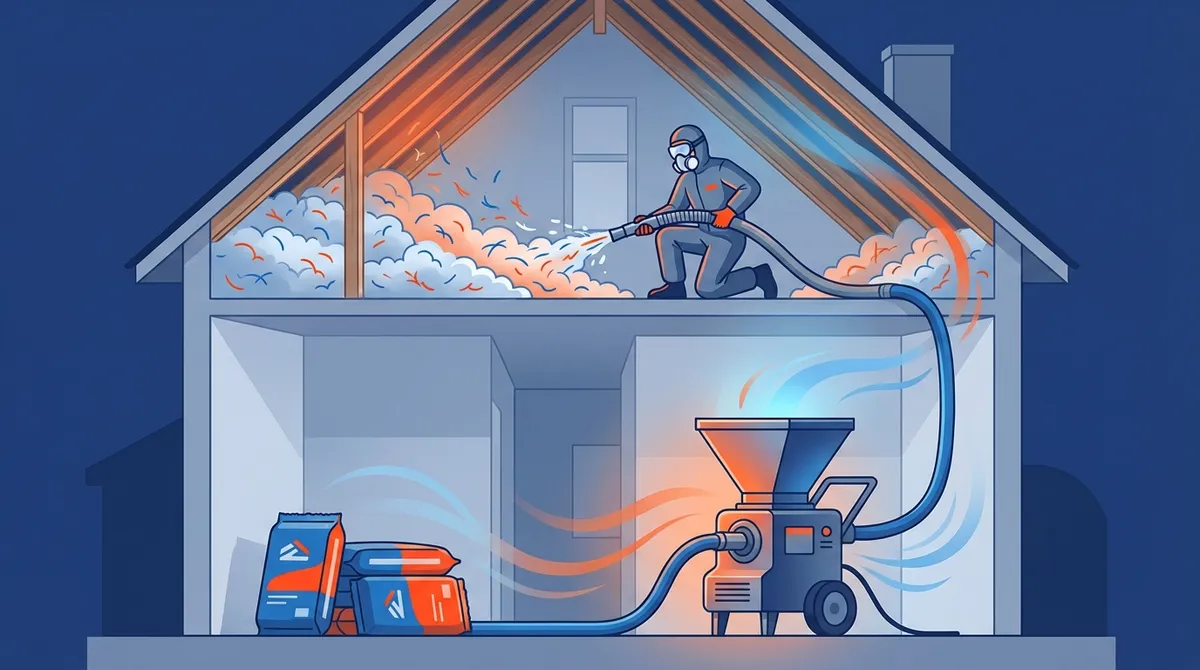
Your attic is ground zero for energy loss in most homes. Florida summers are brutal. An attic with thin insulation turns into a furnace. It radiates heat down into your home. Your AC then has to work overtime. Attic blown-in insulation is the most popular service for a good reason. It targets the main source of heat transfer in your home.
Pros use special equipment to blow loose-fill insulation evenly across your attic floor. It fills gaps around joists, pipes, and wiring. Old-style insulation simply can't reach those spots.
The beauty of this service is total coverage. You can save up to 30% on heating and cooling costs with blown-in attic insulation. The higher R-value boosts energy efficiency. The material forms one solid heat barrier. It stops your cooled air from leaking out through the ceiling. Most pros use cellulose or fiberglass. Both settle into a dense, effective layer.
The job is fast, too. Most attic projects take just a few hours. Your daily routine barely changes.
Attic blown-in insulation does more than cut energy bills. It also extends the life of your HVAC system. Your equipment works less hard. Less strain means fewer repairs and a longer-lasting system. That makes this service a smart long-term investment for any homeowner.
2. Wall Cavity Insulation — End Drafty Rooms for Good
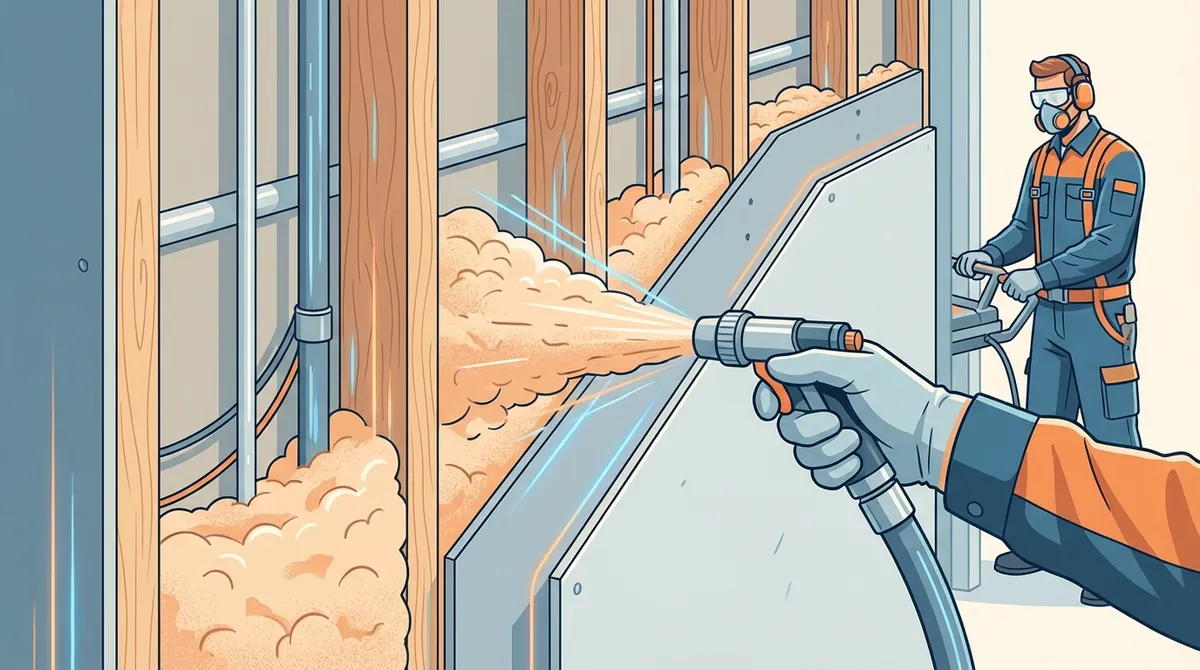
Attics get most of the attention. But your walls matter just as much for home comfort. Wall cavity insulation works like this: installers drill small holes in your outer or inner walls. Then they pump blown-in insulation into the empty spaces between studs. This service shines in older homes built before modern insulation rules. It also works for new builds that want more efficiency without thicker walls.
The process takes skill and precision. Pro installers use thermal cameras to find cold spots. This makes sure the whole wall cavity gets filled. They place access holes between studs. Special nozzles spread the material evenly from top to bottom.
Once the cavity reaches the right density, they patch the holes. The patches match your existing wall. You'll barely notice they were there.
Wall insulation does more than control temperature. It blocks noise between rooms and from outside. Your home gets quieter and more peaceful. That helps a lot near busy streets or noisy neighbors. The added insulation also helps keep moisture out. Moisture can cause mold and damage your home's structure over time.
3. Cellulose Insulation — 85% Recycled, 100% Effective in Orlando Heat
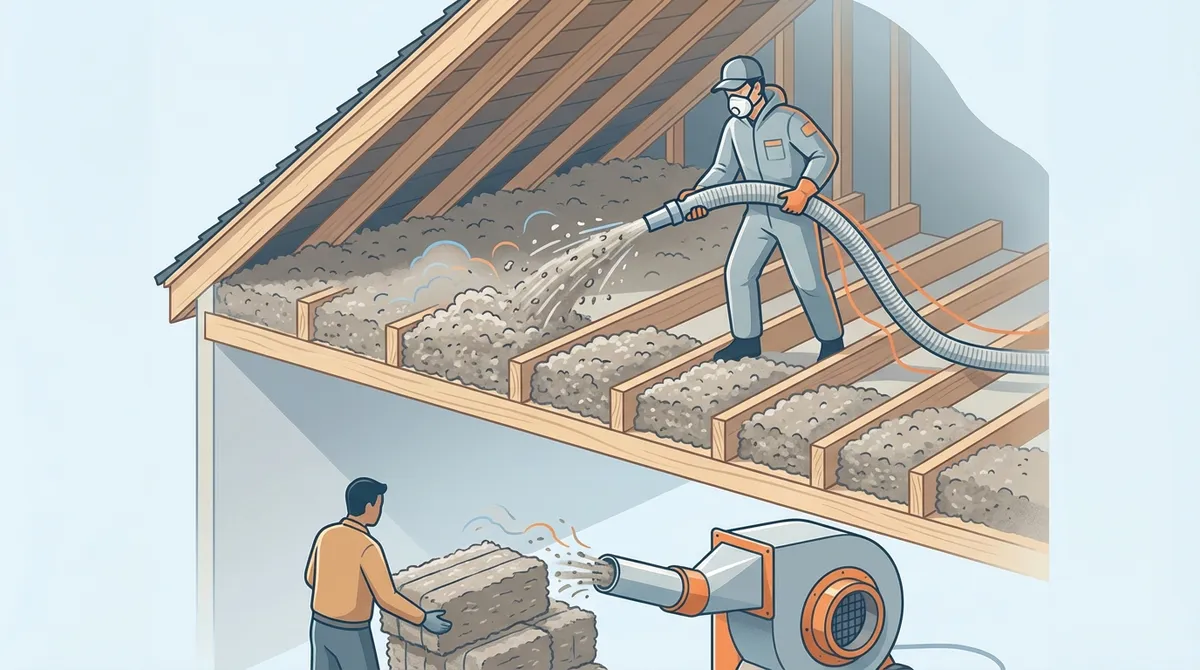
Cellulose insulation is the eco-warrior of the insulation world. It's made from up to 85% recycled paper — mostly old newspapers and cardboard. It performs well and goes easy on the planet. Installers treat the paper with borates. These natural minerals resist fire, repel pests, and prevent mold.
Why does cellulose work so well? It's dense, and it fills odd-shaped spaces. The fibers pack tight into cavities. That seals air leaks and cuts drafts and energy loss. Blown-in fiberglass showed no settling after 65,700 door opening/closing cycles in Home Innovation Research Labs testing. But cellulose has its own edge. It wraps around wiring and plumbing better than other materials. No gaps get left behind.
Cellulose also handles Florida's climate very well. It keeps its R-value even in humid conditions. Thanks to the borate treatment, it won't feed a fire. Property managers and homeowners who worry about fire safety often pick cellulose for this reason.
It dampens sound very well, too. That makes it great for media rooms, bedrooms, or any space where noise matters. Installed right by pros, cellulose can last for decades without losing its strength.
4. Fiberglass Blown-In — Zero Settling, Built for Florida Humidity
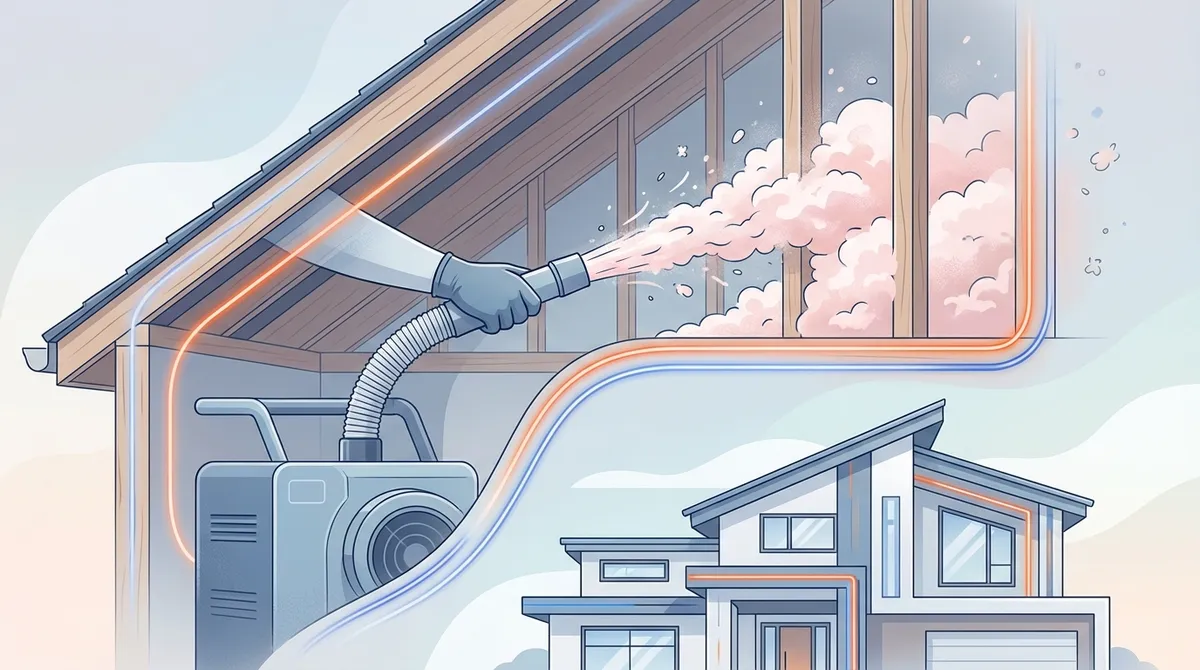
Fiberglass blown-in insulation is the modern update to the old pink batts. Instead of rolls, it uses tiny glass fibers. Installers blow them into place with special equipment. This service has clear advantages. That's why it's a popular choice for both new construction and retrofits across Central Florida.
Fiberglass won't burn. It resists fire without any chemical treatment. It also won't absorb moisture. That matters in Florida's humid climate. Trapped moisture can cause mold and weaken insulation. Modern fiberglass comes formaldehyde-free, too. That eases the health worries some homeowners have about older products. It's a safe choice for families with allergies or sensitivities.
Fiberglass also stays stable over time. It keeps its loft and barely settles. So your R-value holds steady for the life of your home. That makes it a great fit for attics, where settling could create thin spots. Pro installation gets the density right. Too loose, and it won't work well. Too dense, and you waste material and crush the fibers.
| Feature | Cellulose Insulation | Fiberglass Insulation |
|---|---|---|
| Recycled Content | Up to 85% | 20-30% |
| Fire Resistance | Borate treatment required | Naturally non-combustible |
| Moisture Resistance | Moderate (treated) | Excellent (non-absorbent) |
| Settling Over Time | Minimal (10-20%) | Very minimal (0-3%) |
| Sound Dampening | Excellent | Good |
| R-Value per Inch | 3.2-3.8 | 2.2-2.7 |
5. Air Sealing + Insulation — The Combo That Kills Energy Waste
Here's a secret many homeowners miss: insulation alone isn't enough. Even the best material can't do its job if air flows freely through gaps and cracks in your home. That's why air sealing and insulation combo services keep growing in popularity. Smart homeowners want maximum energy efficiency and comfort.
This service starts with a detailed inspection. Techs often use blower door tests and thermal cameras to find air leaks. Common trouble spots? Gaps around outlets, plumbing lines, and recessed lights. The joint between your attic floor and walls leaks, too. Pros seal each gap with the right material. Spray foam handles big openings. Caulk fills small cracks. Special gaskets seal electrical boxes.
After sealing, the crew installs blown-in insulation to hit your target R-value. This one-two punch beats insulation alone by a wide margin. You'll feel the difference right away. Fewer drafts. Steadier temperatures in every room. Less outside noise.
The combo also improves indoor air quality. It blocks raw outside air from getting into your living space. That air can carry pollutants, allergens, and humidity.
The energy savings often beat expectations. You're fixing both insulation and air leaks. Those are the two main causes of energy waste in homes. Many homeowners say their heating and cooling systems run less often. The systems hold their set temperature with ease. That means lower utility bills and longer equipment life.
6. Retrofit Insulation — Upgrade Your Older Orlando Home Fast
Do you live in an older home? Many Central Florida residents do. Odds are your insulation falls short of today's energy standards. Retrofit insulation services upgrade existing homes without major construction. It's perfect if you want more comfort and efficiency but aren't ready for a full remodel.
The retrofit process starts with a full energy audit. It checks your current insulation and finds problem areas. Pros inspect your attic, walls, and floors over crawl spaces. They'll even check a garage ceiling that sits under living space. They measure insulation depth and look for moisture damage. They also flag any pest issues to fix before new insulation goes in.
Retrofit work barely disrupts your home. In most cases, new attic insulation goes right over the old layer (if it's in good shape). Your home's R-value jumps instantly. Wall insulation needs only small holes that get patched and painted. The whole job usually takes a day or two. You can stay home the entire time.
Retrofit insulation gives you a huge bang for your buck. A kitchen remodel might cost tens of thousands of dollars. Insulation upgrades usually pay for themselves through energy savings in just a few years. They also raise your property value while cutting your monthly bills. That's a win for you now — and for future buyers.
7. Commercial Insulation — Cut Overhead Costs for Your Central FL Business
Business owners face their own climate control challenges. Big open spaces, high ceilings, and changing crowds make temperatures hard to manage. Costs add up fast. Commercial blown-in insulation solves this. It uses industrial-grade materials and install methods built for large spaces.
Commercial jobs need careful planning so your business keeps running. Pro installers often work nights or weekends. They coordinate with building managers on access. They protect your inventory and equipment. And they make sure the work meets local building codes and fire safety rules.
The payoff for commercial properties is big. Retail stores hold steadier temperatures, so shoppers stay comfortable. Warehouses cut climate costs and protect sensitive inventory. Offices boost worker comfort and output — and show a real commitment to sustainability. Many insulation upgrades also qualify for utility rebates or tax breaks. That improves your return even more.
For businesses serving communities throughout Orlando and Central Florida, insulation isn't just about comfort. It keeps customers happy and employees productive. Maybe you run a small retail shop. Maybe you oversee several commercial properties. Either way, professional blown-in insulation is a smart business move.
R-Values Explained — What Orlando Homeowners Need to Know
You'll hear the term "R-value" a lot with insulation. It measures how well insulation resists heat flow. A higher R-value means better performance. For Central Florida homes, the U.S. Department of Energy suggests attic insulation between R-30 and R-49. The right number depends on your heating and cooling system type.
Each material reaches these R-values at a different depth. Cellulose gives about R-3.2 to R-3.8 per inch. So you'd need about 10-13 inches to hit R-38. Fiberglass gives R-2.2 to R-2.7 per inch. That takes 14-17 inches for the same R-value. Pro installers work out the exact depth for your climate zone, existing insulation, and energy goals.
But R-value isn't everything. Good installation, air sealing, and full coverage matter just as much. A badly installed high-R-value job will lose to a well-installed moderate one. That's why hiring experienced pros makes such a big difference in results.
Maintenance and Longevity Considerations
Blown-in insulation needs very little upkeep. Installed right, quality material can last 20-30 years or more without breaking down. Still, a periodic check keeps your insulation performing at its best over time.
Every few years, take a look at your attic insulation. Watch for settling, moisture damage, or pest activity. Look for crushed or thin spots where material may have shifted. Check the rafters and sheathing for water stains — they can signal roof leaks. Moisture is insulation's worst enemy. Fix leaks fast to stop mold and material damage.
Are your energy bills creeping up even though your habits haven't changed? Are some rooms getting harder to heat or cool? Your insulation may have settled or shifted. Pro HVAC maintenance techs can check its condition during routine visits. They'll suggest a top-up if you need one.
Cost Considerations and Return on Investment
Blown-in insulation is one of the most cost-effective home upgrades you can buy. Exact costs vary by material, area size, and access. But most homeowners earn it back through energy savings within 3-7 years. After that, the savings keep piling up for the life of the insulation.
Look at the full picture when you compare costs. Pro installation covers more than materials and labor. It also includes prep work, air sealing, and cleanup. DIY might look cheaper at first. But bad technique can leave gaps, cause moisture problems, or create safety hazards. Fixing those mistakes costs far more than pro installation would have.
Many utility companies and government programs offer rebates for insulation upgrades. These can cut your out-of-pocket cost by a lot. Ask your local utility provider about its programs. Some offer free energy audits that spot upgrades and estimate your savings.
Don't Hire Just Anyone — Here's How to Pick the Right Orlando Installer
Not all insulation contractors do equal work. When you pick one for your blown-in insulation project, look for proper licensing, insurance, and a solid local track record. Experienced contractors know Florida's climate challenges and building codes. They'll make sure your installation meets or beats every requirement.
Ask each contractor about their process, materials, and warranty. Good providers inspect your home fully before they quote. They explain exactly what they'll do and why. They should use calibrated equipment for even density throughout the job. And they should document the R-values they achieve.
Reviews and references tell you a lot about a contractor. Look for feedback on punctuality, cleanliness, communication, and follow-up support. Companies that stand behind their work share references from recent customers gladly. They also show off certifications from manufacturers and industry groups.
In Central Florida, Smart Home Air and Heat offers full insulation consultation as part of our whole-home comfort approach. Good insulation and an efficient HVAC system work together. That's how you get the comfortable, energy-smart home you deserve. Visit us on Google to see what our happy customers say about our quality and service.
Stop Losing Money Through Your Walls and Ceiling — Act Now
Blown-in insulation is a practical, low-cost way to boost comfort and cut energy costs. Maybe your attic is under-insulated. Maybe your walls are drafty. Maybe you're planning a full efficiency upgrade. Either way, professional blown-in insulation delivers results you can feel right away — and measure on your utility bills.
We covered seven services: attic installation, wall cavity insulation, cellulose application, fiberglass services, air sealing combos, retrofit solutions, and commercial applications. There's an option for nearly every situation and budget. Pick the right service for your needs and work with qualified pros. You'll get a more comfortable home, a smaller carbon footprint, and savings month after month.
Remember: insulation and your heating and cooling systems work as a team. Even the best AC installation or most efficient furnace can't beat the energy losses from poor insulation. Fix both, and you'll get maximum comfort, minimal energy waste, and real peace of mind.
Ready to change how your home feels? Don't suffer another season of temperature swings and high energy bills. Schedule your insulation consultation today. Find out how blown-in insulation can make your home comfortable and efficient at last. Your family — and your wallet — will thank you for this smart investment in your home's future.
Blown-In Insulation FAQs
Q: What is the difference between cellulose and fiberglass blown-in insulation?
A: Cellulose is made from up to 85% recycled paper. It's treated with borates to resist fire and pests. It dampens sound well and has a higher R-value per inch (R-3.2-3.8). Fiberglass is made of glass fibers that won't burn and don't absorb moisture. Its R-value is R-2.2-2.7 per inch, and it barely settles. Both work well. Cellulose is greener. Fiberglass resists moisture better — a big deal in Florida's humid climate.
Q: How much can I save on energy bills with blown-in attic insulation?
A: You can save up to 30% on heating and cooling costs with pro blown-in attic insulation. The higher R-value boosts energy efficiency. Your exact savings depend on your current insulation, home size, and energy habits. But most Central Florida homeowners see much lower utility bills within the first month. The investment usually pays for itself through energy savings within 3-7 years.
Q: Can blown-in insulation be installed in existing walls without major renovations?
A: Yes! Retrofit wall insulation needs only small access holes drilled between wall studs. Installers pump in the insulation, then patch the holes to match your wall finish. The process barely disturbs your home. Most jobs finish in one day, and you can stay home during the work. It's a perfect fix for older homes that need better insulation without the cost and mess of a big remodel.
Q: Is blown-in insulation fire-resistant and safe for my family?
A: Yes, both major types of blown-in insulation are very fire-safe. Fiberglass won't burn and won't spread flame. Cellulose is treated with borate compounds that resist fire and prevent ignition. Modern formaldehyde-free options ease health concerns, too. That makes blown-in insulation a safe choice for families. Pro installation keeps the material properly placed. It won't create fire hazards around electrical fixtures or recessed lighting.
Q: How long does blown-in insulation last before needing replacement?
A: Quality blown-in insulation lasts 20-30 years or more with proper installation and care. Fiberglass shows almost no settling over time. Cellulose may settle 10-20% but still keeps effective coverage. Want it to last? Keep moisture out, keep your attic vented, and handle pests fast. Check it every few years. A quick top-up keeps your R-value and energy efficiency on track.
From Orlando, Union Park, Mills 50, Lake Nona, and Winter Park, homeowners across Central Florida trust Smart Home Air and Heat for fast, reliable HVAC service backed by our 90-minute guarantee.