
Key Takeaways
- Regular HVAC maintenance matters. Annual check-ups can add 5-10 years to your system's life. They also help you avoid $1,500+ emergency repairs.
- R-410A refrigerant started phasing out in 2025. Plan ahead for a possible system upgrade or higher repair costs.
- The right HVAC system size is critical. Units that are too big or too small waste energy and cut your comfort.
- Smart HVAC technology can cut heating and cooling costs by 10-23% a year. Scheduling and energy tracking features do the work.
- Always hire licensed HVAC pros for complex repairs. This protects you from damage, safety risks, and voided warranties.
- Indoor air quality matters as much as temperature. Air purification systems cut airborne pollutants and make your home healthier.
Your HVAC system works hard behind the scenes to keep your home comfortable year-round. Yet many Orlando homeowners make critical mistakes without knowing it. These mistakes hurt your comfort and drain your wallet. Scorching summers or chilly winters, it doesn't matter. Knowing what NOT to do with residential HVAC service can save you thousands of dollars and countless headaches.
In this friendly guide, we'll walk through the most common pitfalls homeowners face. We cover both heating and cooling systems. From skipped maintenance to installation errors, you'll pick up practical tips. They will help you make smarter choices about your home's climate control. Let's dive into these costly mistakes and learn how to avoid them together!
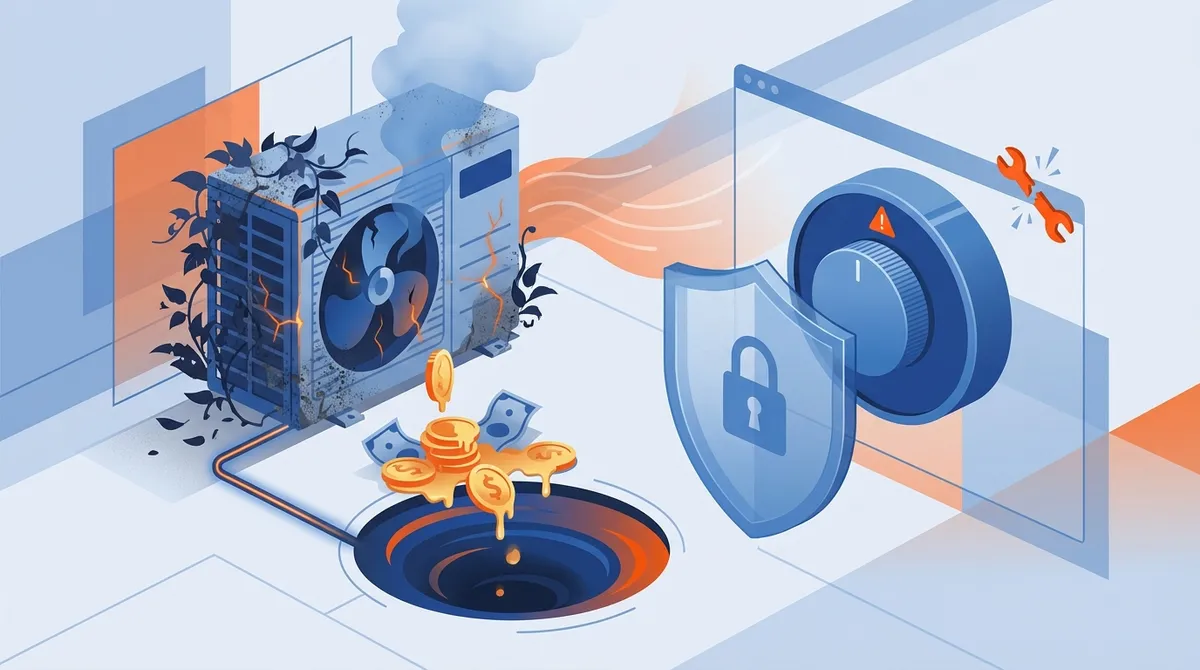
Skipping Regular HVAC Maintenance: The Silent Budget Killer
One of the biggest mistakes homeowners make is ignoring their HVAC system. Think of your heating and cooling equipment like your car. Would you drive 50,000 miles without an oil change? Yet many people go years without professional HVAC maintenance. That's a recipe for disaster.
Here's what happens when you skip those annual check-ups. Dust and debris build up in your system. Filters clog. Parts work harder than they should. This cuts efficiency and shortens your system's life. U.S. consumers spend over $10 billion each year on HVAC repair and maintenance. Much of that goes toward breakdowns that could have been prevented.
The True Cost of Neglect
Skipping maintenance is a gamble with your comfort and your money. A well-maintained HVAC system can last 15-20 years. Neglected systems often fail after just 10 years. That's a $5,000-$10,000 replacement coming five to ten years too soon!
Standard residential HVAC maintenance means two visits a year. One comes before cooling season, the other before heating season. During these visits, techs check refrigerant levels, clean coils, and inspect electrical connections. They also test overall system performance. Most maintenance plans cost between $150 and $500 a year. That's a bargain next to emergency repair bills that can top $1,500.
What Proper Maintenance Includes
- New filters every 1-3 months, based on use and air quality
- Cleaning the evaporator and condenser coils to keep efficiency high
- A check of all electrical connections and parts
- Refrigerant level checks and top-offs
- Thermostat calibration for accurate temperature control
- Ductwork checks for leaks and good airflow
Smart Home Air and Heat believes in preventative care. That's why they offer full maintenance plans that keep your system running smoothly year-round. Their team arrives within 90 minutes of your call. Small issues never get the chance to become major problems.
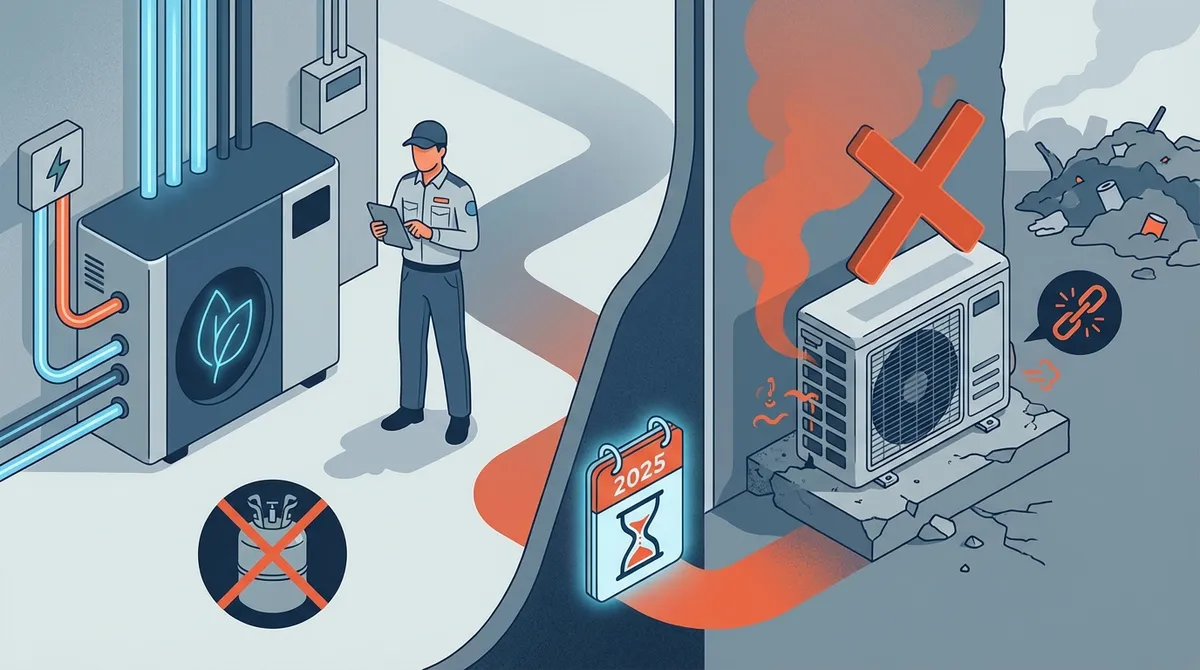
Ignoring the EPA’s Refrigerant Phase-Out: A 2025 Game-Changer
Haven't heard about the R-410A refrigerant phase-out? You're not alone. But this news could hit your wallet hard. Starting January 1, 2025, the EPA barred new air conditioning systems from using R-410A refrigerant due to its environmental impact. This shift toward eco-friendly refrigerants is reshaping the whole residential HVAC landscape.
What does this mean for you? Most systems installed in the past 15 years use R-410A. If yours does, you don't need to replace it right away. But R-410A will get scarcer over the coming years. Repair costs will likely rise. The mistake is failing to plan ahead. Budget now for a system upgrade or higher repair costs down the road.
Planning for the Transition
Smart homeowners are already planning for this change. Is your HVAC system over 10 years old and facing a major repair? A new system with the latest low-impact refrigerant may be the better buy. Pouring money into aging equipment only gets more expensive over time.
The new refrigerants help the environment. They also work with more energy-efficient systems. These advanced heat pumps and air conditioning units can cut your energy bills by 20-30% compared to older models. Over time, those savings offset the upfront cost.
Not sure if it's time to upgrade? Talk to pros who stay current with industry changes. You can schedule a consultation to review your system and explore your options.
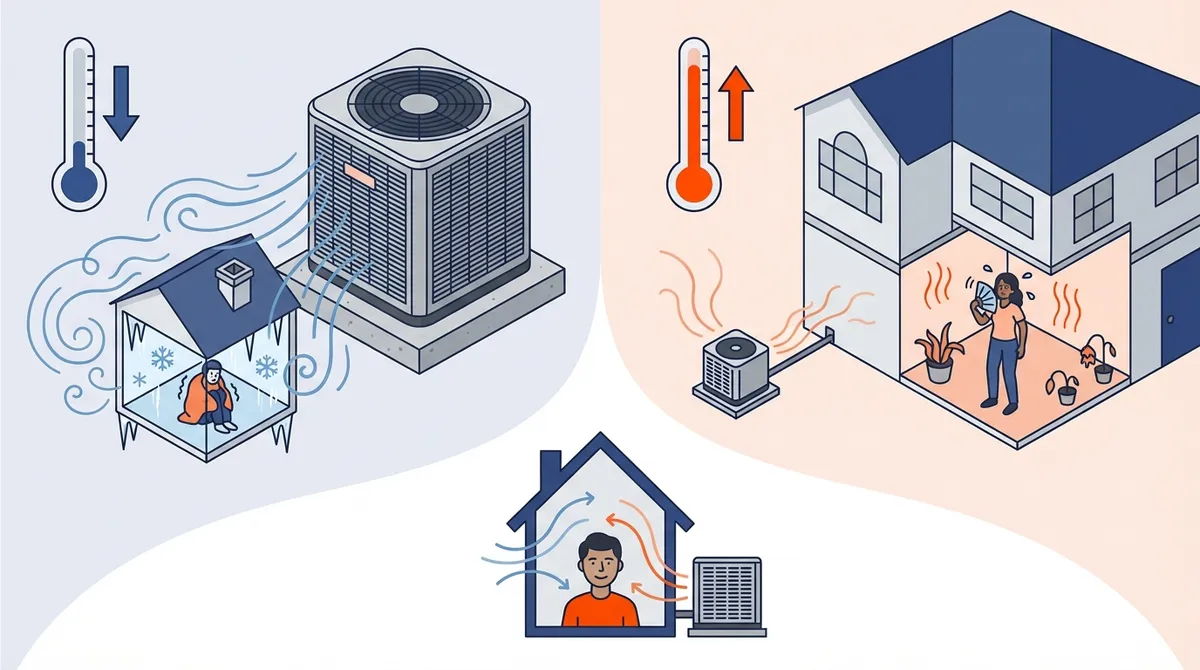
Choosing the Wrong HVAC System Size: Is Bigger Always Better?
Many homeowners assume a bigger HVAC system is always better. It's a costly myth. Oversized systems cycle on and off too often. Undersized systems run nonstop. Equipment that doesn't match your home's needs wastes energy and money. It also leaves you less comfortable.
The Goldilocks Principle of HVAC Sizing
Your HVAC system needs to be “just right” for your home. Size depends on square footage, insulation, window types, and climate zone. Professional HVAC contractors use Manual J load calculations to find the exact heating and cooling capacity your home needs. Skipping this step is like buying shoes without knowing your size. Uncomfortable and problematic!
| Home Size | Typical AC Capacity | Heating Capacity | Approximate Cost Range |
|---|---|---|---|
| 1,000-1,500 sq ft | 1.5-2 tons | 40,000-60,000 BTU | $3,500-$5,500 |
| 1,500-2,000 sq ft | 2-3 tons | 60,000-80,000 BTU | $4,500-$7,000 |
| 2,000-2,500 sq ft | 3-3.5 tons | 80,000-100,000 BTU | $5,500-$8,500 |
| 2,500-3,000 sq ft | 3.5-4 tons | 100,000-120,000 BTU | $6,500-$10,000 |
Problems with Oversized Systems
An oversized HVAC system might sound appealing. In reality, it causes problems that hurt both comfort and costs. These systems cool or heat your space too fast. They shut off before they pull the humidity out of the air. In Central Florida's humid climate, that leaves you feeling clammy. The thermostat says you hit your target, but you still feel sticky.
Short cycling (frequent on-off cycles) also adds wear and tear on parts. That leads to early failures and more frequent AC repair needs. Plus, you pay more upfront for the larger equipment. You get no real benefit from that extra capacity.
Problems with Undersized Systems
- The unit runs nonstop, which burns energy and raises your utility bills
- It can't reach your target temperature during extreme weather
- Parts wear out faster from overwork and stress
- Humidity control suffers, and comfort varies from room to room
Ready for a new system? Make sure you work with qualified pros who run proper load calculations. Quality AC installation starts with accurate sizing. It's the foundation of long-term comfort and efficiency.
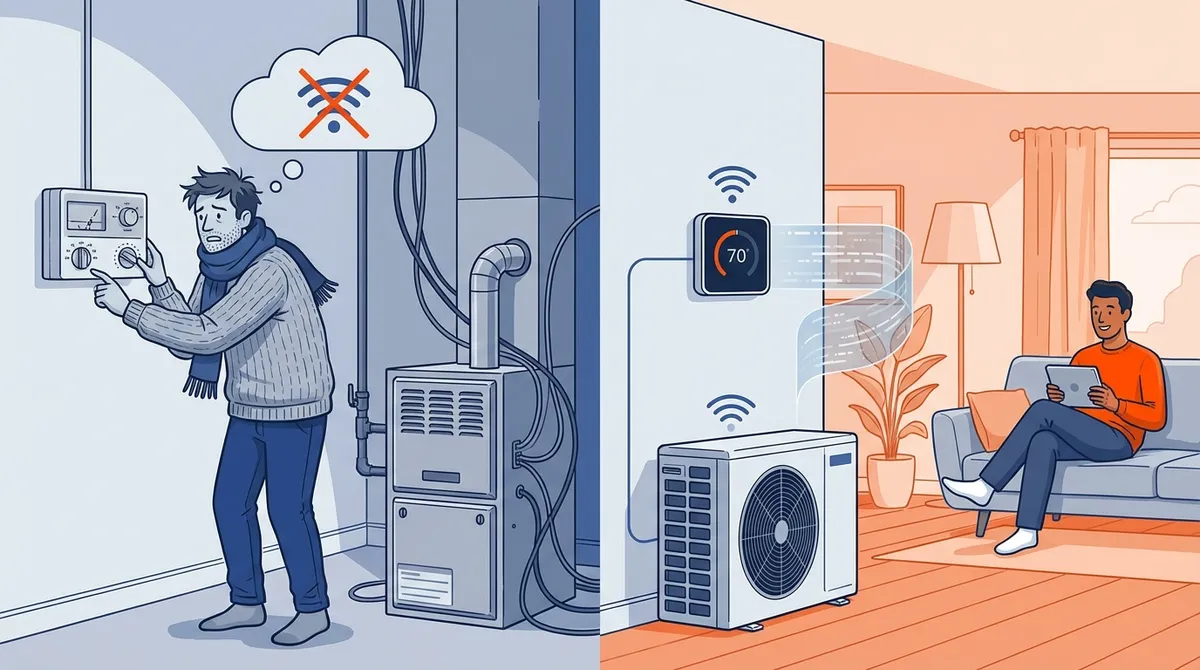
Neglecting Smart Technology Integration: Missing Modern Efficiencies
In 2025, a basic manual thermostat is like a flip phone in a smartphone world. You're missing out on features that save money and boost comfort. Smart HVAC technology has come a long way. Yet many homeowners stick with outdated controls out of habit or unfamiliarity.
Nearly 90% of U.S. households use air conditioning. Only a small share have upgraded to smart thermostats and connected climate controls. That's a big miss. Studies show smart technology can cut your heating and cooling costs by 10-23% a year. That's real money back in your pocket every single month!
Benefits of Smart HVAC Systems
Modern smart thermostats learn your schedule and preferences. They adjust temperatures on their own when you're away or asleep. They give you detailed energy reports that show exactly where your money goes. Many can also spot weak performance and alert you before a small issue becomes an expensive repair.
- Phone apps let you adjust temperatures from anywhere
- They connect with other smart home devices for full home automation
- AI-driven climate control boosts comfort while cutting energy waste
- Geofencing adjusts settings based on whether you're home or away
- Energy use reports help you spot chances to save more
- Reminders make sure you never forget filter changes or service visits
The mistake isn't just missed savings. It's living with less comfort than today's technology can provide. Connected HVAC systems can hold different temperatures in different rooms (zoned systems). They can adjust for weather forecasts on their own. Some even work with your utility company's demand-response programs, which can earn you credits on your energy bill.
Making the Smart Upgrade
Upgrading to smart HVAC technology doesn't require a full system replacement. Many modern thermostats and controls work with existing equipment. That makes this one of the most cost-effective upgrades you can make. Professional installation makes sure everything is compatible and set up right, so you get the full benefit.
Smart Home Air and Heat helps Central Florida homeowners switch to smart climate controls. These systems deliver both comfort and savings. Their techs can review your current setup and recommend the best smart options for your needs and budget. Follow them on Facebook to stay updated on the latest HVAC technology trends.
DIY Repairs and Unlicensed Contractors: When Cheap Becomes Expensive
We all love a good DIY project. Some tasks are fine for homeowners, like changing air filters or cleaning around outdoor units. But complex HVAC repairs are different. Doing them yourself, or hiring an unlicensed contractor to save money, is one of the costliest residential HVAC service mistakes you can make.
HVAC systems involve electrical parts, pressurized refrigerant lines, and gas connections (for furnaces). They also use complex controls. One mistake can damage expensive parts, create safety hazards, or void manufacturer warranties. It can even violate local building codes. What looks like a $200 savings can quickly turn into a $2,000 problem.
The Hidden Costs of Unlicensed Work
Unlicensed work carries big risks. So do repairs beyond your skill level. Handling refrigerant without proper EPA certification is illegal and can harm the environment. Electrical mistakes can create fire hazards. And if something goes wrong, you have no recourse and no warranty protection.
| Issue | Licensed Professional Cost | DIY/Unlicensed Risk | Potential Total Cost |
|---|---|---|---|
| Refrigerant Leak Repair | $300-$800 | Improper repair, system damage | $1,500-$5,000 |
| Compressor Replacement | $1,500-$2,500 | Incorrect installation, voided warranty | $3,000-$6,000 |
| Electrical Issues | $200-$600 | Fire hazard, code violations | $2,000-$10,000+ |
| Ductwork Modifications | $500-$2,000 | Airflow problems, efficiency loss | $1,500-$5,000 |
What Homeowners CAN Do Safely
Don't get us wrong. There are maintenance tasks you can handle yourself! These DIY-friendly jobs help keep your system running smoothly between professional service visits:
- Change air filters every 1-3 months, based on your household needs
- Keep outdoor units clear of debris, leaves, and plants (keep a 2-foot clearance)
- Clean air vents and registers throughout your home
- Make sure furniture or curtains don't block your vents
- Watch your thermostat for odd behavior or temperature swings
- Listen for strange noises that could signal a growing problem
Leave everything else to licensed pros. That includes refrigerant work, electrical repairs, part replacements, and system diagnostics. Companies offering emergency service make sure you're never left uncomfortable for long, even when problems strike at the worst possible times.
Verifying Contractor Credentials
Before you hire any HVAC contractor, check their credentials. Make sure they hold a state license, carry insurance, and have good customer reviews. In Florida, legitimate HVAC contractors must be licensed by the state and local jurisdictions. Ask for license numbers. Then check them with your state's licensing board.
Reviews on Google show you how other homeowners were treated. Check out Smart Home Air and Heat’s reviews on Google to see how they've helped Central Florida families. Their reliable, professional team arrives within 90 minutes of your call.
Ignoring Indoor Air Quality and Ductwork Issues
Many homeowners only think about temperature when it comes to HVAC service. They overlook indoor air quality and ductwork completely. That narrow focus is a mistake. It can hurt your health, comfort, and system efficiency. Your HVAC system doesn't just heat and cool. It also circulates and filters the air you breathe every single day.
Studies show indoor air can be 2-5 times more polluted than outdoor air. Common contaminants include dust, pet dander, pollen, mold spores, and volatile organic compounds. Meanwhile, leaky or poorly designed ductwork can waste 20-30% of your conditioned air. Your system works harder, and your energy costs climb for no reason.
Addressing Indoor Air Quality
Better air quality takes more than regular filter changes. Professional indoor air quality services can find specific problems in your home. Then they apply targeted fixes that make a real difference in your family's health and comfort.
- HEPA filters capture 99.97% of airborne particles as small as 0.3 microns
- UV light purifiers kill bacteria, viruses, and mold spores
- Whole-home humidifiers and dehumidifiers keep moisture levels right year-round
- Air purifiers with activated carbon remove odors and chemical vapors
- Ventilation systems bring in fresh outdoor air and push out stale air
Does anyone in your home have allergies, asthma, or breathing issues? Then air quality upgrades aren't just about comfort. They're about health. Even in a healthy home, cleaner air means better sleep, sharper focus, and a more pleasant living space.
The Ductwork Connection
Your ductwork is the circulatory system of your HVAC setup. When it fails, everything suffers. Leaky ducts let conditioned air escape into attics, crawl spaces, and wall cavities. That air does you no good. Meanwhile, you're paying to heat or cool spaces you don't even use!
Professional ductwork inspection and sealing can boost efficiency and comfort in a big way. Watch for the warning signs. Uneven temperatures between rooms, extra dust, and high energy bills despite a newer system all point to duct trouble. So does a system that can't hold a comfortable temperature.
Three million heating and cooling systems are replaced each year in the U.S. Many of those replacements could have waited. The fix? Address ductwork issues early. Don't replace your whole system when duct repairs might solve your problems at a fraction of the cost!
Taking Action: Your Path to HVAC Excellence
Now you know these five critical mistakes. You're ready to make smarter choices about your residential HVAC service. The key is being proactive, not reactive. Fix small issues before they become major problems. Stay informed about industry changes. Work with qualified pros who have your best interests at heart.
Remember, your HVAC system is a big investment in your home's comfort and value. Give it the care it deserves. In return, you'll get years of reliable service, lower energy bills, and better indoor air quality. You'll also get peace of mind, knowing your family stays comfortable no matter the weather outside.
The U.S. HVAC market was valued at $30.41 billion in 2023, with a projected annual growth rate of 7.4%. That growth comes from homeowners who see the value of professional service and modern technology. Avoid these common mistakes, and you join the savvy homeowners who get the most from their HVAC investment. No more money lost to preventable problems.
Need routine maintenance, emergency repairs, or a system upgrade? Have questions about your current equipment? Smart Home Air and Heat is here to help. Serving communities throughout Orlando and Central Florida, their licensed technicians bring skill, reliability, and a customer-first approach to every service call. With their 90-minute arrival guarantee, you're never left waiting when comfort matters most.
Don't wait for a small problem to become a major expense. Get your free quote today and see how professional HVAC service can boost your home's comfort, efficiency, and value. Your future self will thank you for making the smart choice now. Your wallet will thank you too.
Want more helpful tips and HVAC insights? Check out Smart Home Air and Heat’s YouTube channel. They share useful information to help homeowners make smart choices about their heating and cooling systems.
HVAC Service Mistakes FAQs
Q: How often should I schedule residential HVAC maintenance?
A: Schedule professional HVAC maintenance at least twice a year. Book once before cooling season (spring) and once before heating season (fall). These check-ups help prevent breakdowns, improve efficiency, and extend your system's life. Most maintenance plans cost between $150-$500 annually. That's far cheaper than emergency repairs.
Q: What’s the average lifespan of a residential HVAC system?
A: A well-maintained residential HVAC system usually lasts 15-20 years. Neglected systems often fail after just 10 years. Regular maintenance, prompt repairs, and proper use all add years to its life. Is your system over 10 years old and needing frequent repairs? A modern, energy-efficient replacement may be the better value.
Q: Will the R-410A refrigerant phase-out affect my current AC system?
A: If your system uses R-410A refrigerant, you don't need to replace it right away. But R-410A will get scarcer over time, so repair costs may rise. Is your system over 10 years old and facing major repairs? Then consider upgrading to a new system with eco-friendly refrigerant and better energy efficiency.
Q: Can I install a smart thermostat on my existing HVAC system?
A: Most modern smart thermostats work with existing HVAC systems. That makes this an affordable upgrade with no full system replacement needed. Smart thermostats can cut heating and cooling costs by 10-23% a year. They do it with learning features, remote access, and automated schedules. Professional installation makes sure everything is compatible and set up right.
Q: What HVAC maintenance tasks can I safely do myself?
A: You can safely handle several basic tasks yourself. Change air filters every 1-3 months. Keep outdoor units clear of debris. Clean air vents and registers. Watch for odd noises or temperature issues. Leave refrigerant, electrical work, and part replacement to licensed pros. That keeps you safe and protects your warranty coverage.
Need help in your neighborhood? Smart Home Air and Heat serves Orlando, Avalon Park, Conway, Azalea Park, and Goldenrod and all of Central Florida with 24/7 availability and upfront pricing.