
✔ 90‑Minute Arrival Guarantee — or $200 Off Your Repair 🚫 No After‑Hours Fees — Same Price 24/7, 365 Days a Year 🏆 100% Satisfaction Guarantee — We Make It Right or It’s Free 🔍 No-Guesswork Diagnostics — Facts Not Assumptions 💰 Upfront Pricing — No Hidden Fees Ever —
Smart Home Air and Heat

HVAC Tips & AC Repair Blog — Orlando Homeowners Read This

Expert HVAC tips, AC repair guides, and honest advice for Orlando homeowners — from a team with 30+ years keeping Central Florida comfortable year-round.

48 Articles AC Repair • Installation • Maintenance • Air Quality

Expert HVAC Guides for Orlando Homeowners

Need Help? We’re Available 24/7.

Call us now or schedule online — no after-hours fees, ever.

Home News Heat Advisory in Effect: What Orlando Homeowners Should Do...
HVAC News & Alerts

Heat Advisory in Effect: What Orlando Homeowners Should Do Right Now

Chris Elsis Jr. June 20, 2026
Back to News

Updated June 20, 2026. The National Weather Service has issued a Heat Advisory for Central Florida through the end of this week. Heat index values of 108–111°F are expected across Orange, Seminole, and Osceola counties. This is not a forecast — it is happening right now.

On June 18–19, the National Weather Service issued a Heat Advisory for most of Central Florida. Real-feel temperatures are pushing past 110°F in parts of Orlando, and the pattern is not letting up anytime soon.

If you are reading this, your AC system is under more stress right now than it has been all year. Here is what that means and what you should do about it — from someone who has been fixing AC systems in Orlando for over 30 years.

What Extreme Heat Does to Your AC System

Your air conditioning system is designed to cool your home about 20 degrees below the outside temperature. When the heat index hits 111°F, your system has to work harder and longer than it was built to handle.

According to Fox 35 Orlando's coverage of the heat advisory, the combination of high temperatures and high humidity is creating dangerous conditions across the region. That same combination is punishing your AC.

Here is what happens to your system during extended heat events like this one:

  • Run times jump to 16+ hours per day. Your compressor was not designed to run nonstop. Extended run times accelerate wear on capacitors, contactors, and compressor windings.
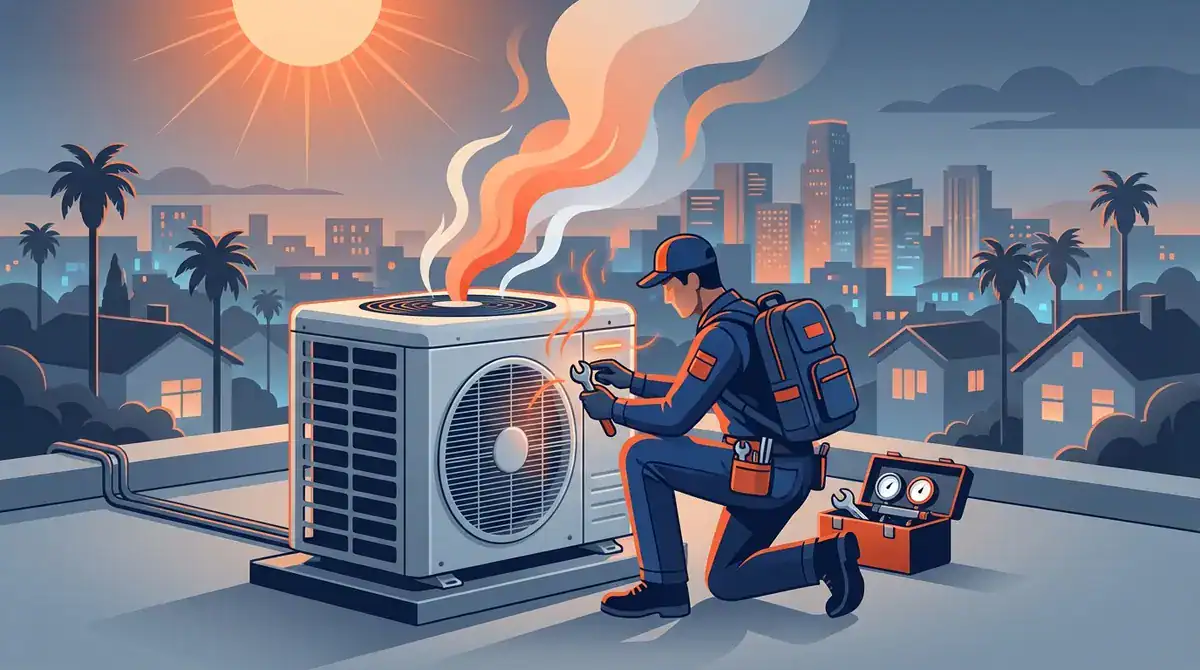
  • Compressors overheat. The outdoor unit is rejecting heat into air that is already 95°F+. That makes the compressor work harder and run hotter, which can trigger thermal overload protection or, worse, permanent damage.
  • Drain lines back up faster. High humidity means your system is pulling more moisture out of the air. That water has to go somewhere, and if your drain line is even partially clogged, you will get water damage inside your home.
  • Refrigerant pressures spike. Higher outdoor temperatures mean higher head pressure. If your system is even slightly low on refrigerant, this is when you will notice it — warm air coming from the vents.

What This Means for Orlando Homeowners

This is not a theoretical risk. I have seen more AC repair calls in the last 48 hours than in any other two-day stretch this year. Here is what you should do right now to protect your system and your family.

1. Change Your Filter Right Now

If you have not changed your air filter in the last 30 days, stop reading this and go change it. A dirty filter restricts airflow, which makes your system work harder and can cause the evaporator coil to freeze. During extreme heat, your system cannot afford any extra strain.

2. Set Your Thermostat to 78°F — Not Lower

I know 78 feels warm. But every degree you set below 78 adds 3–5% to your electric bill and forces your system to run longer. Setting your thermostat to 72°F during a heat advisory is asking your system to maintain a 23+ degree temperature difference — that is pushing it past its design limits.

3. Do Not Close Vents in Unused Rooms

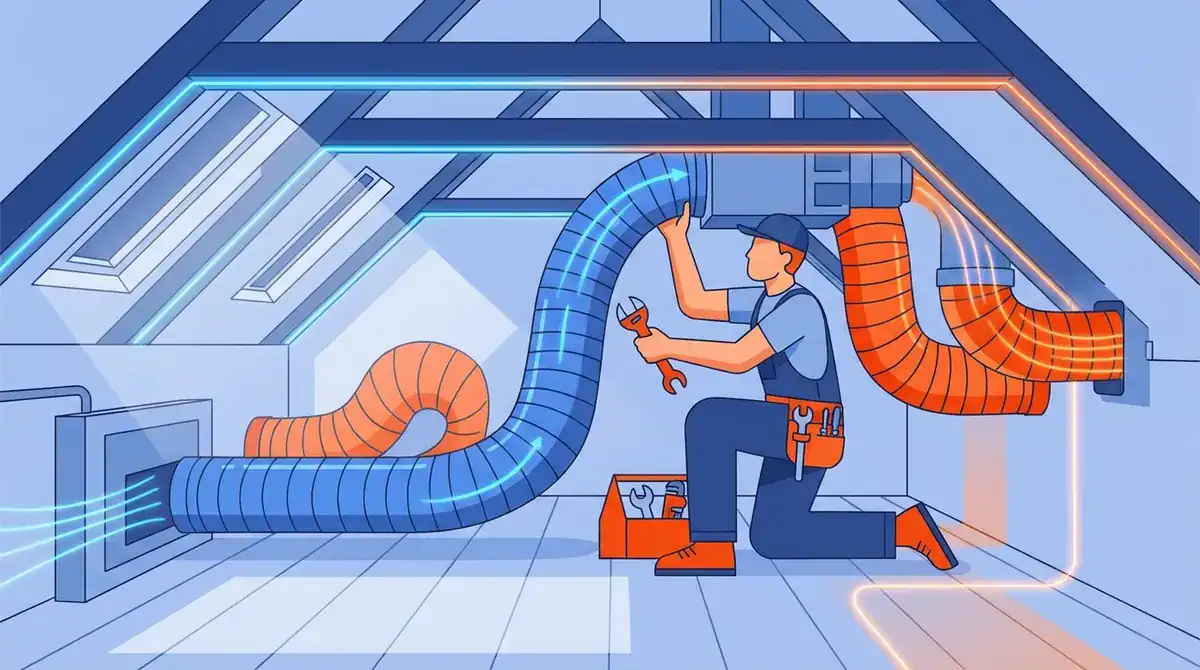
This is one of the most common mistakes I see. Closing vents does not save energy. It increases static pressure inside your ductwork, which can cause duct joints to separate, increase air leakage, and make your system less efficient. Leave every vent open.

4. Pour Vinegar Down Your Drain Line

Find your AC drain line access point (usually a PVC pipe near the indoor air handler) and pour a cup of white vinegar down it. Do this weekly during summer. A clogged drain line during a heat wave can cause thousands of dollars in water damage.

5. If Your AC Is Blowing Warm Air, Turn It OFF

If your system starts blowing warm or lukewarm air, turn it off at the thermostat for 30 minutes. The most common cause during extreme heat is a frozen evaporator coil. Turning the system off lets the ice thaw. After 30 minutes, turn it back on. If it still blows warm, call for emergency service.

6. Watch for These Warning Signs

Your system is telling you it cannot handle the heat if you notice any of these:

  • Short cycling — the system turns on and off every few minutes instead of running in long, steady cycles
  • Ice on the refrigerant line — frost or ice on the copper pipe running from your outdoor unit to the wall
  • Water around the indoor unit — a sign the drain line is clogged or the drain pan is overflowing
  • The outdoor unit fan is not spinning — could be a failed capacitor or fan motor
  • Circuit breaker tripping — the compressor is drawing too much current, which means it is overheating

If you see any of these, do not wait. The longer a struggling system runs, the more expensive the repair gets.

Why This Heat Wave Is Different

As WUSF reported, most of Florida is feeling 105°F+ heat index values, with Central Florida getting hit hardest. The combination of 95°F+ actual temperatures and humidity above 60% creates heat index values that are genuinely dangerous — for people and for AC systems.

The systems that fail during heat waves like this are usually the ones that were already borderline. Maybe the refrigerant was a little low, the capacitor was weakening, or the filter had not been changed since spring. Under normal conditions, these issues do not cause a total failure. Under extreme heat, they do.

That is why regular HVAC maintenance matters. A tune-up catches these problems before they become emergencies.

The Bottom Line

This heat is not going anywhere. Orlando summers are getting hotter, and your AC system is the only thing standing between your family and dangerous indoor temperatures. Take care of it now — change the filter, set the thermostat to 78, check the drain line, and call a tech if anything seems off.

Do not wait until it stops working at 2 AM on a Saturday.

Questions about your AC during this heat advisory? Call (407) 465-7777. We are available 24/7 with a 90-minute arrival guarantee.

Sources

  1. Fox 35 Orlando — Heat Advisory: Central Florida Heat Index Climbs Into 100s
  2. ClickOrlando — Heat Advisory in Effect as Threat for Strong Storms Continues
  3. WUSF — Florida's Heat Ramps Up With Most of the State Feeling 105°F
Chris Elsis Jr. — Owner, Smart Home Air and Heat
Written by
Chris Elsis Jr.
Owner of Smart Home Air and Heat with 30+ years of HVAC experience in Central Florida. Licensed contractor. Chris started Smart Home to give Orlando homeowners fast, honest service — day or night.
Need HVAC Help in Orlando?
90-minute arrival guaranteed. No after-hours fees. Available 24/7.